


Egyptian Zodiac
Twelve gods of the pharaohs, wisdom of the Nile
The Signs
History & Origins
Ancient Egypt watched the sky with extraordinary care — but not through a zodiac. Its genuine, homegrown system was the decans: thirty-six star-groups that each rose just before dawn at ten-day intervals through the year, dividing the night into hours. Painted on coffin lids as "diagonal star tables" from around 2100 BC, the decans were Egypt's stellar clock, and the heliacal rising of Sopdet (Sirius) marked the New Year and the coming flood of the Nile.
The familiar twelve signs are not part of that ancient heritage. The zodiac of Aries, Taurus and the rest is Babylonian in origin and reached Egypt only in the last millennium BC, through Babylonian and then Greek contact. Its most famous Egyptian monument, the great circular Dendera zodiac now in the Louvre, was carved in the late Ptolemaic period, under Roman rule — the earliest surviving image to fuse the imported twelve signs with Egypt's own thirty-six decans. It is a masterpiece of synthesis, but a Greco-Roman-era one, not a relic of the pyramid age.
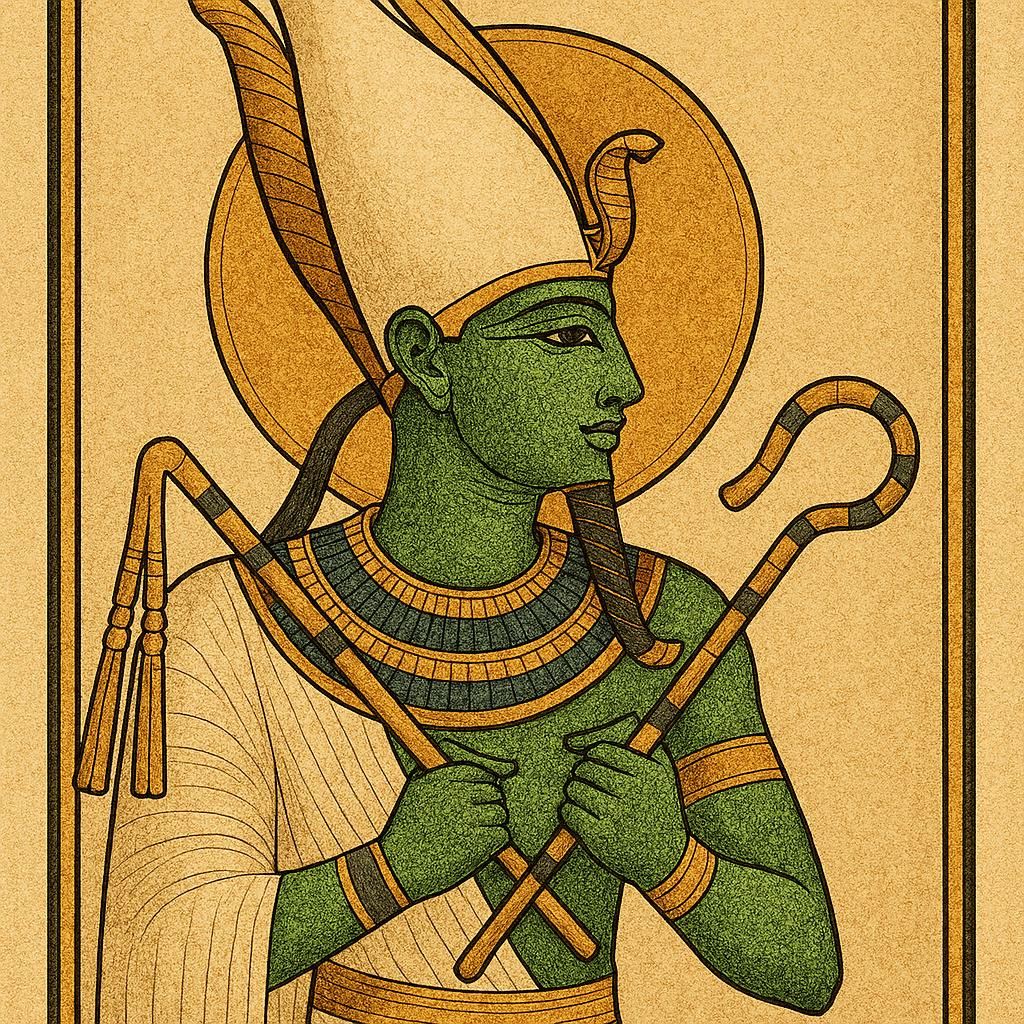
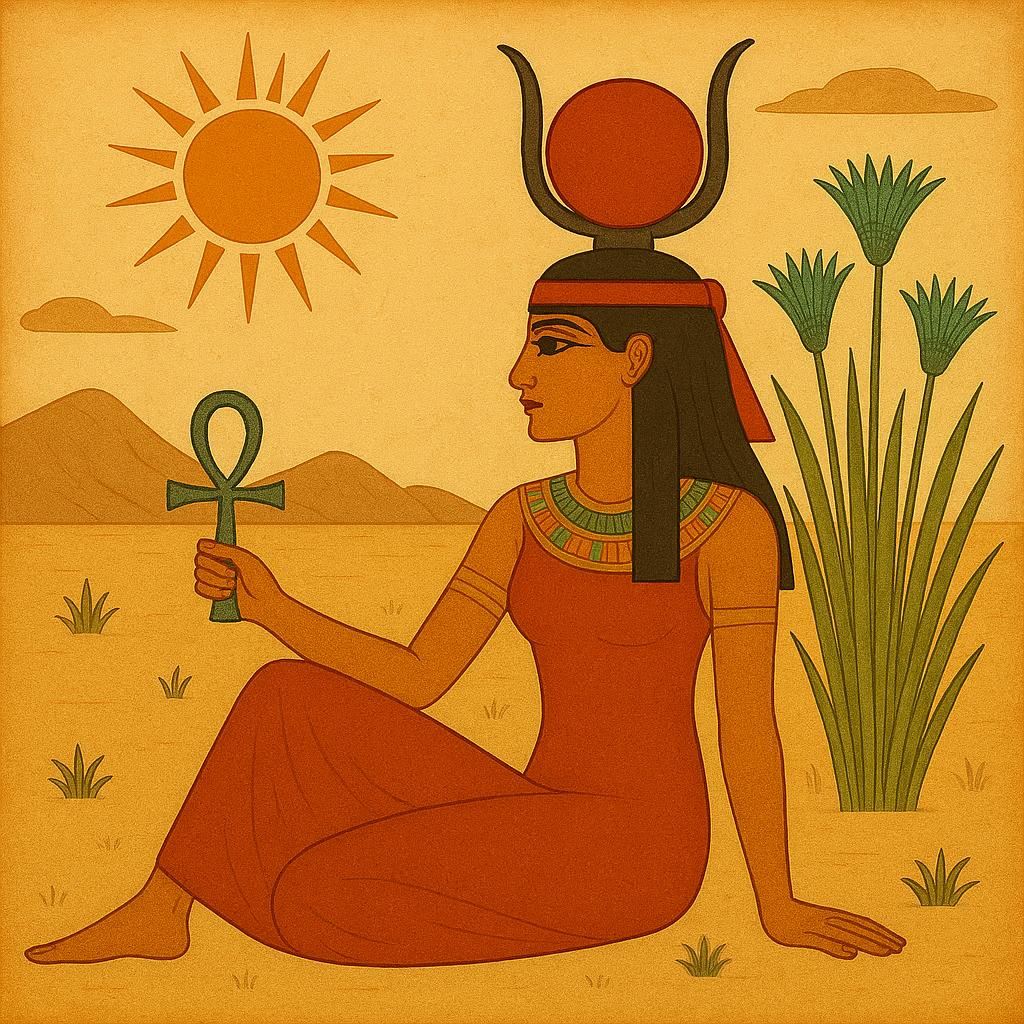
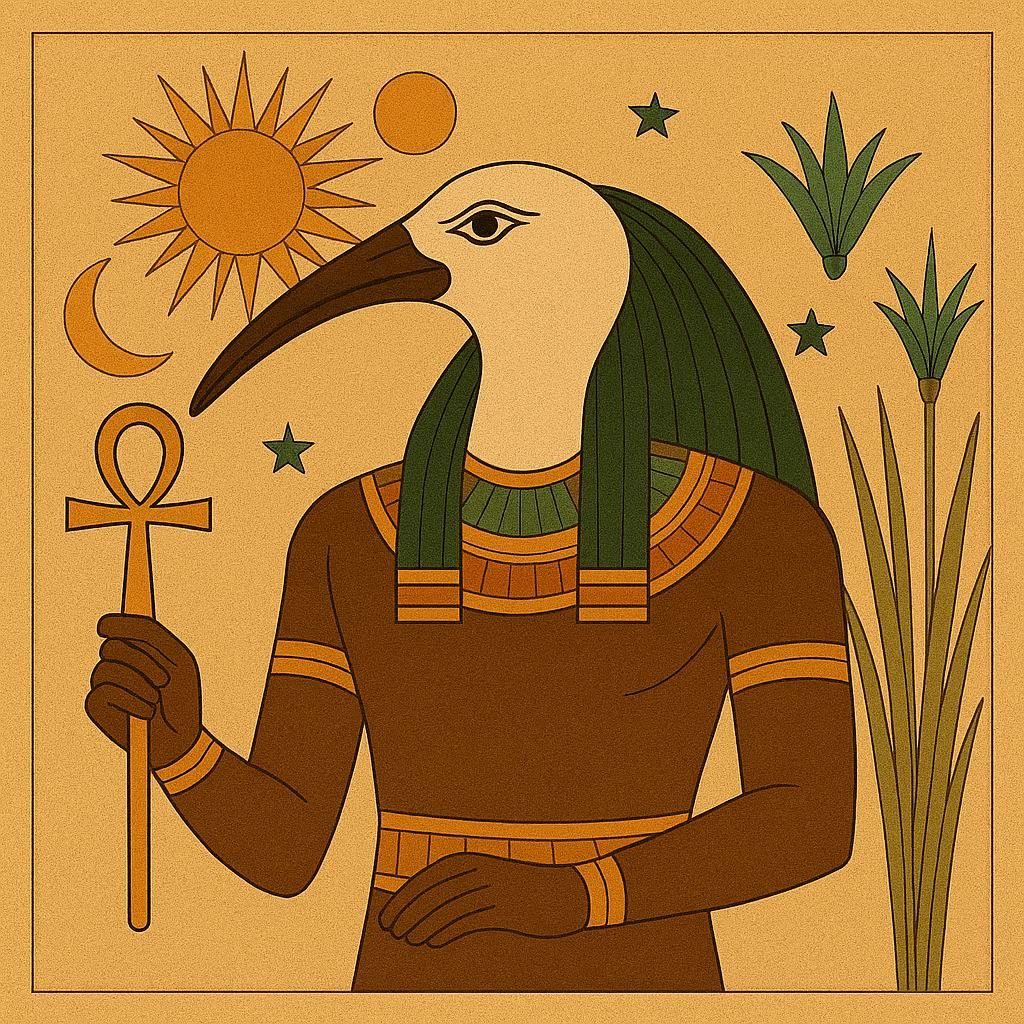
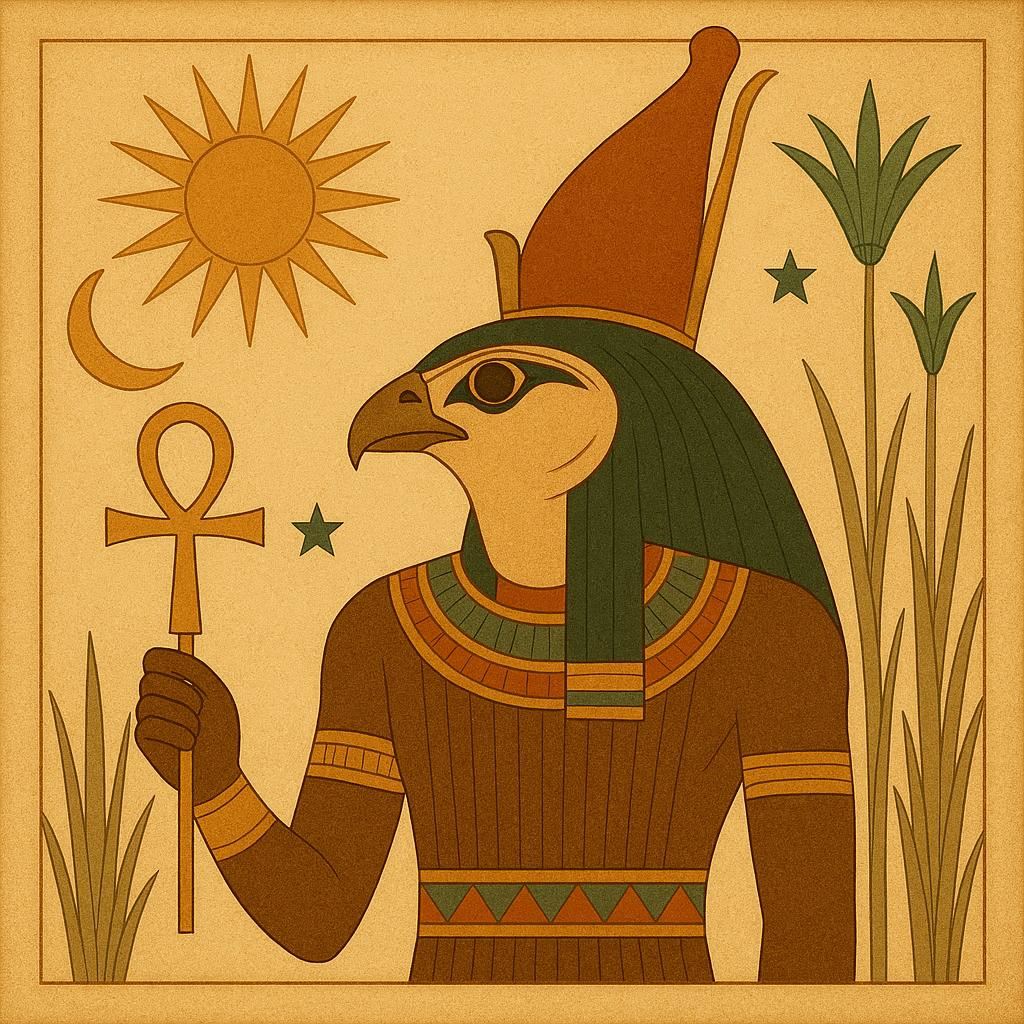
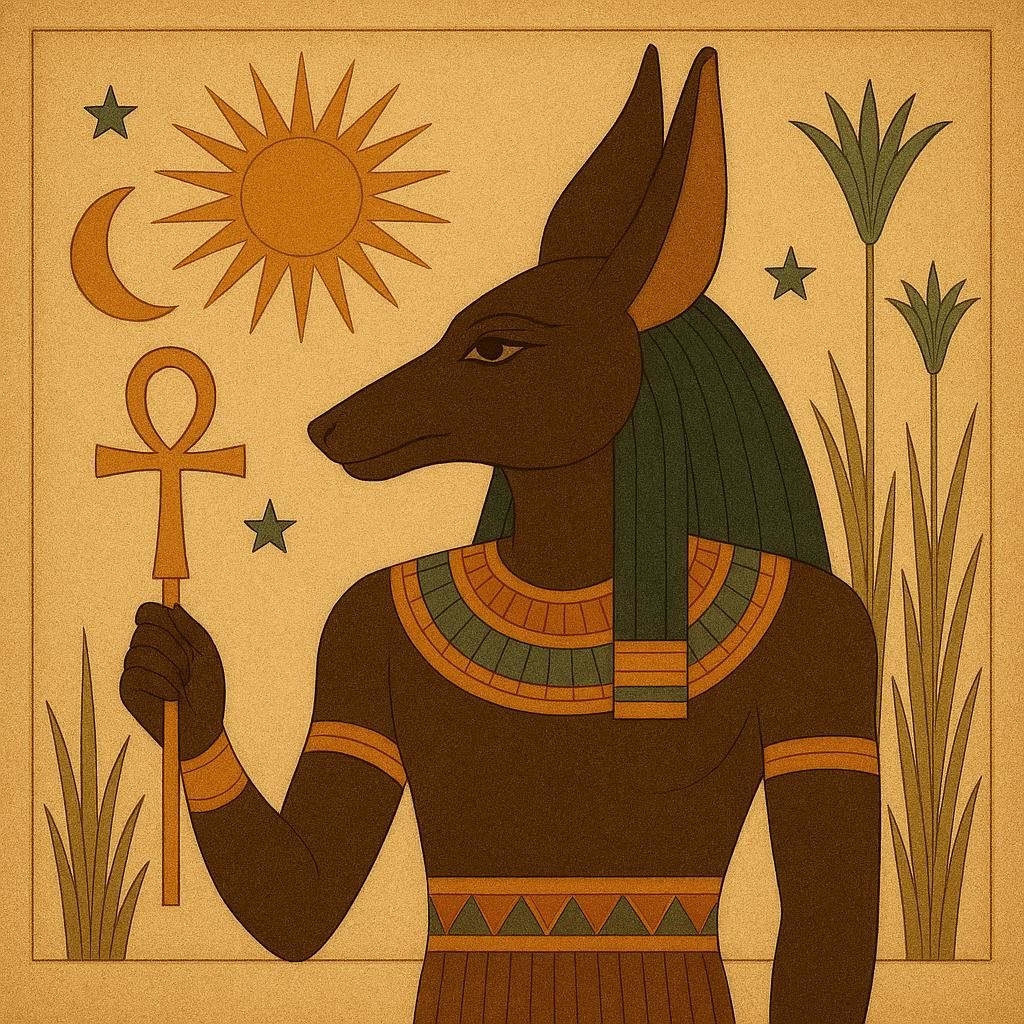
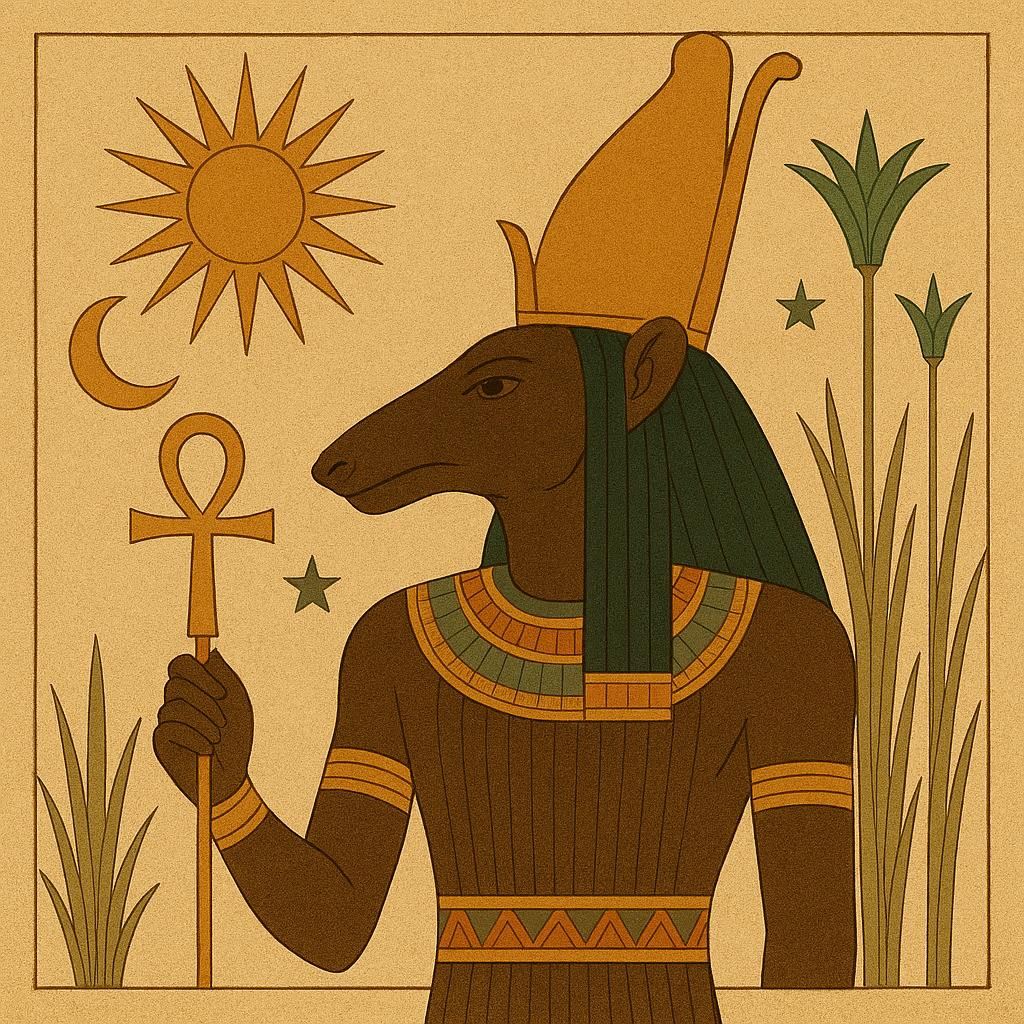
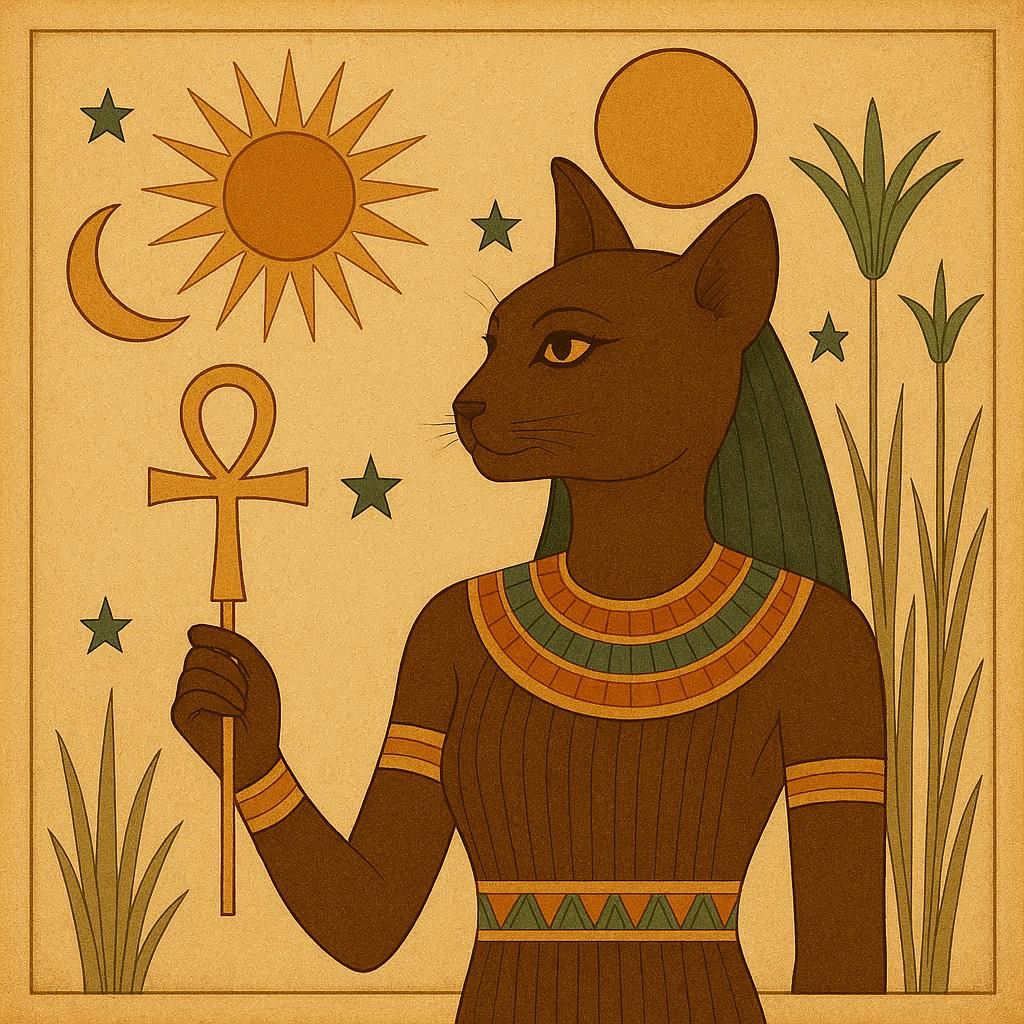
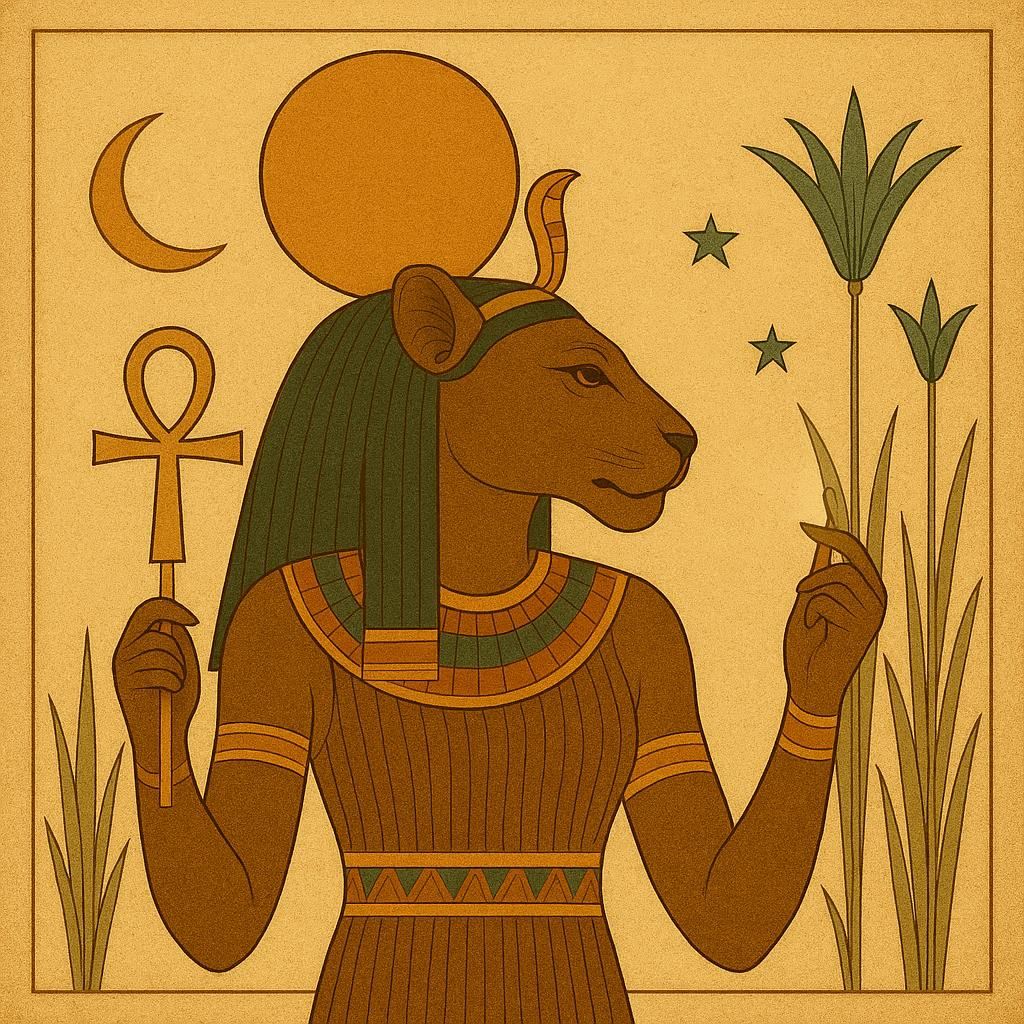
And the version you will meet most often — the "Egyptian zodiac" of twelve gods, where you are born under Amun-Ra, Anubis, Isis or Bastet — is more recent still. There was no ancient Egyptian system that assigned people a birth-god from a set of twelve. That scheme is a twentieth-century popular invention, dressing modern sun-sign horoscopes in Egyptian names. The signs shown here belong to that modern tradition, and we present them honestly as such.
None of this diminishes the real achievement. For three thousand years Egypt read time and destiny in the stars — the decans on temple ceilings and coffins, Sopdet heralding the flood, the sky-goddess Nut arching over the world, swallowing and giving rebirth to the sun each day. That astronomy was original, precise and deeply Egyptian. The twelve gods are a modern costume; the decans and the star-clock beneath them are the genuine ancient sky of Egypt.