


Celtic Tree Calendar
Thirteen trees, a 20th-century Celtic revival
The Signs
History & Origins
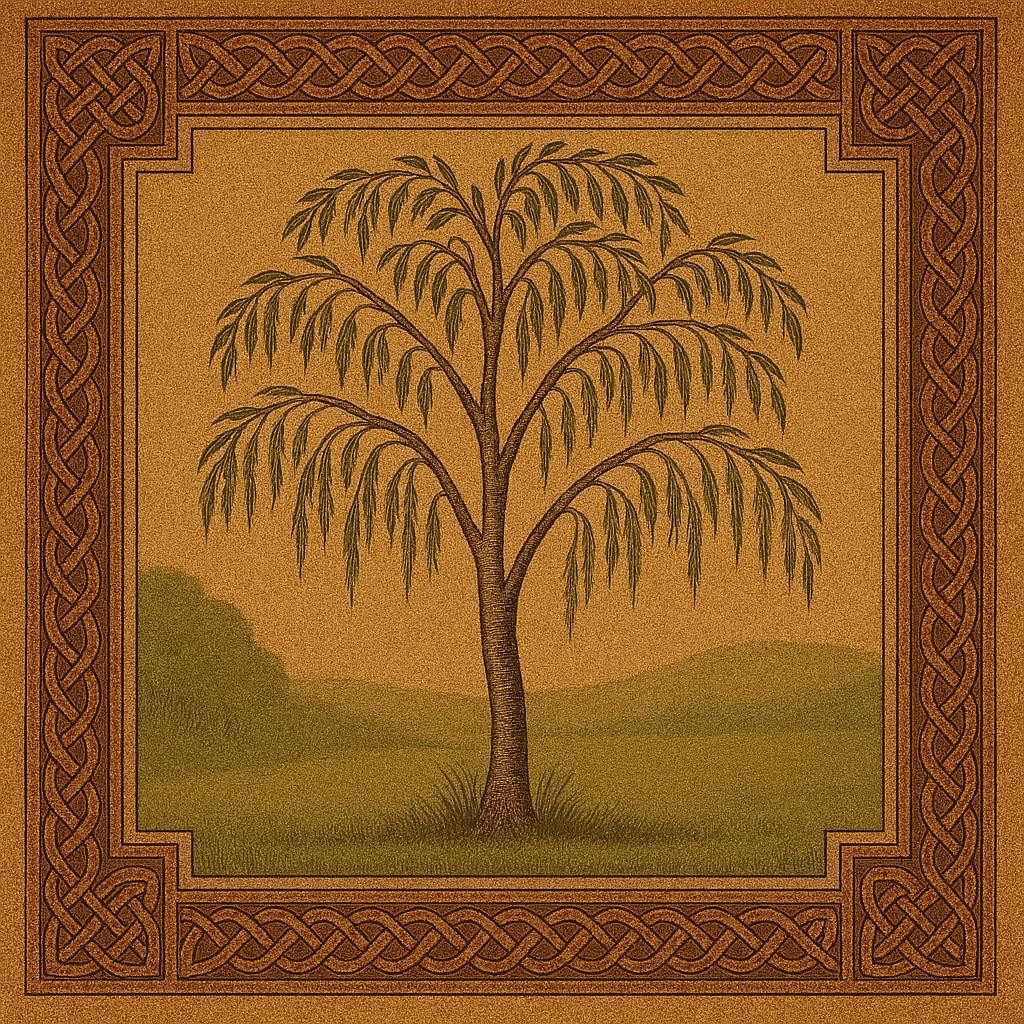
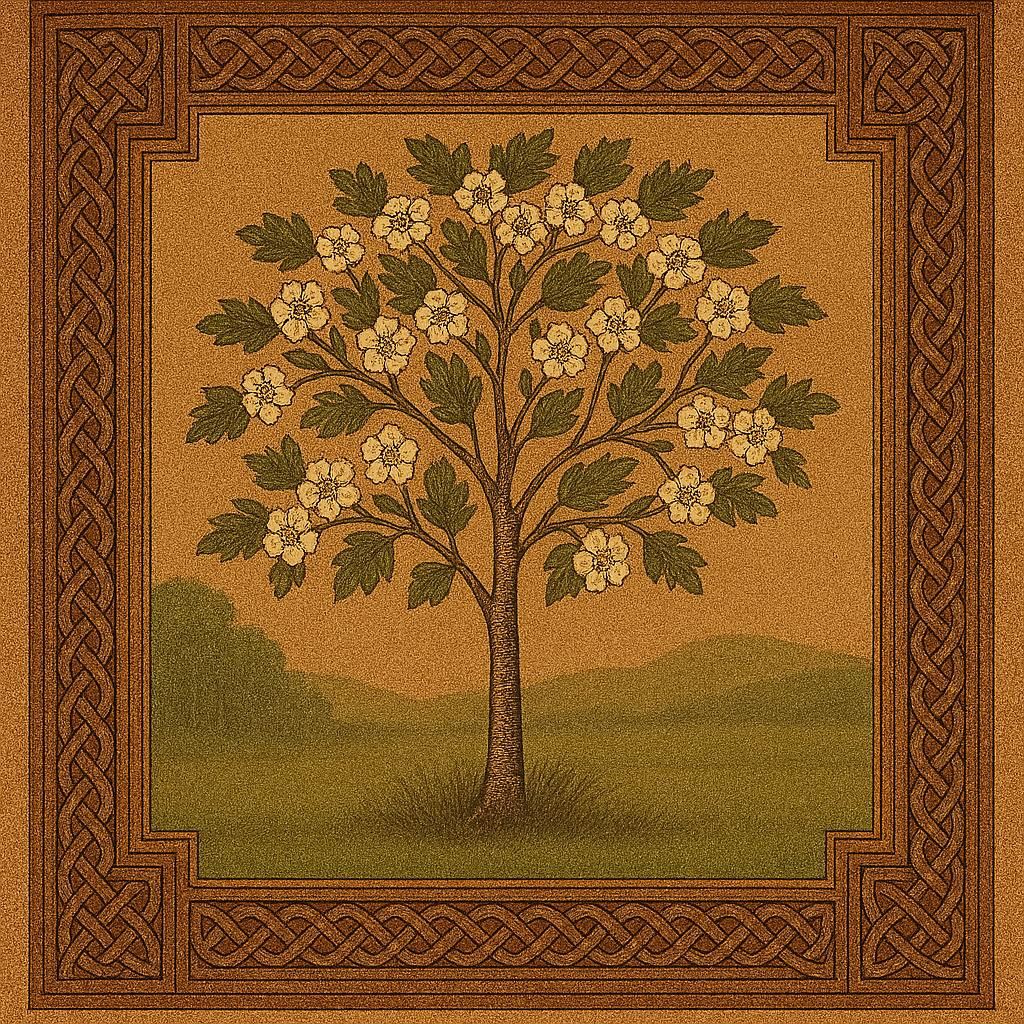
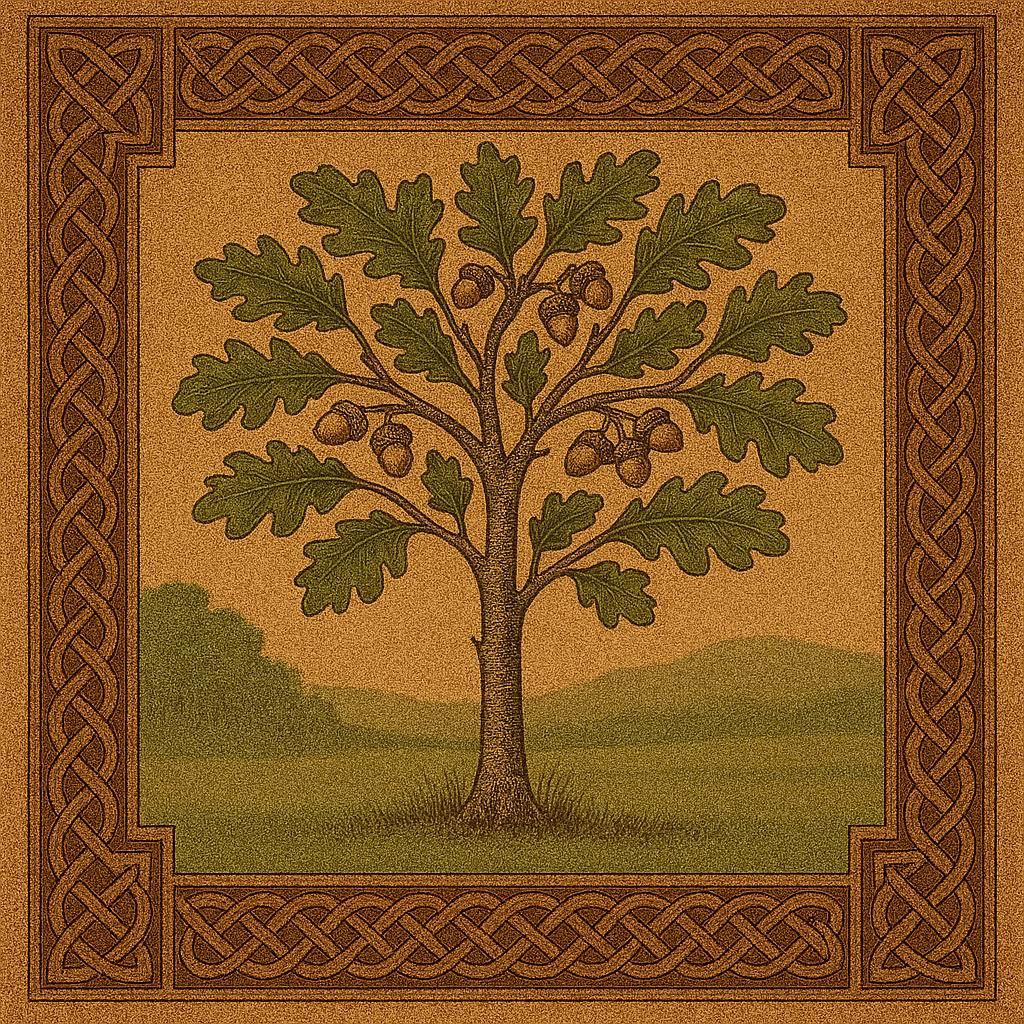
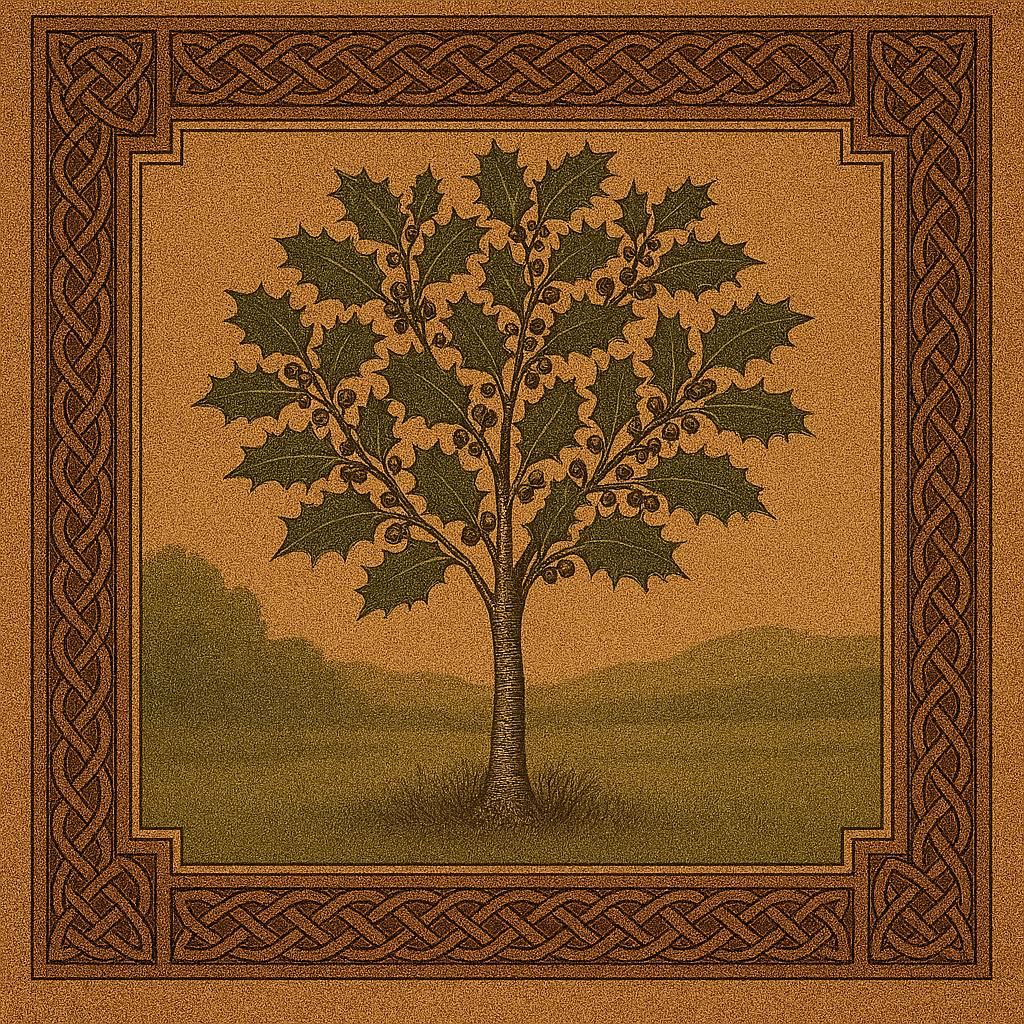
The "Celtic tree zodiac" is the most modern thing in this atlas dressed as the most ancient. The claim is seductive: that the Druids divided the year into thirteen months, each ruled by a sacred tree — Birch, Rowan, Ash, Oak — and that your birth date gives you a tree-sign. It is a beautiful idea. It is also, as far as history can tell, almost entirely an invention of the twentieth century.
Its author has a name and a date. The poet Robert Graves built the tree calendar in his 1948 book The White Goddess. He took the early-medieval Irish Ogham — a real alphabet whose letters carry tree names — dropped and rearranged letters until he had thirteen consonants for thirteen lunar months, and assigned each a tree. No ancient source describes such a calendar; scholars from Peter Berresford Ellis onward have called it plainly a fabrication, noting that Graves confused an almanac with a zodiac.
That is not to say the Celts ignored the sky. They genuinely did watch it: the Coligny calendar, a bronze Gaulish lunisolar calendar from around the 2nd century AD, is a sophisticated real artefact that reconciles moon and sun over a five-year cycle. The Ogham alphabet is real too, and the Druids held astronomical and calendrical knowledge that classical writers admired. But none of that is a twelve- or thirteen-sign birth zodiac.
So we present the tree signs for what they are: a modern, romantic reconstruction, barely seventy-five years old, built on a genuine ancient alphabet but not on any genuine ancient astrology. It has grown popular enough to be worth knowing — and is honest enough to enjoy only once you know that the Druids never cast it.