cn

Chinese Zodiac

Twelve animals, sixty-year great cycle

How we calculate it →

Signs: 12 Origin: ~3rd c. BC Region: East Asian

The Signs

Rat
子
Rat
Years: 2020, 2008, 1996, 1984, 1972, 1960 (every 12 years). Note: Chinese New Year falls between Jan 21–Feb 20 — those born in January or early February should verify their animal year.
Ox
丑
Ox
Years: 2021, 2009, 1997, 1985, 1973, 1961 (every 12 years). Note: Chinese New Year falls between Jan 21–Feb 20 — those born in January or early February should verify their animal year.
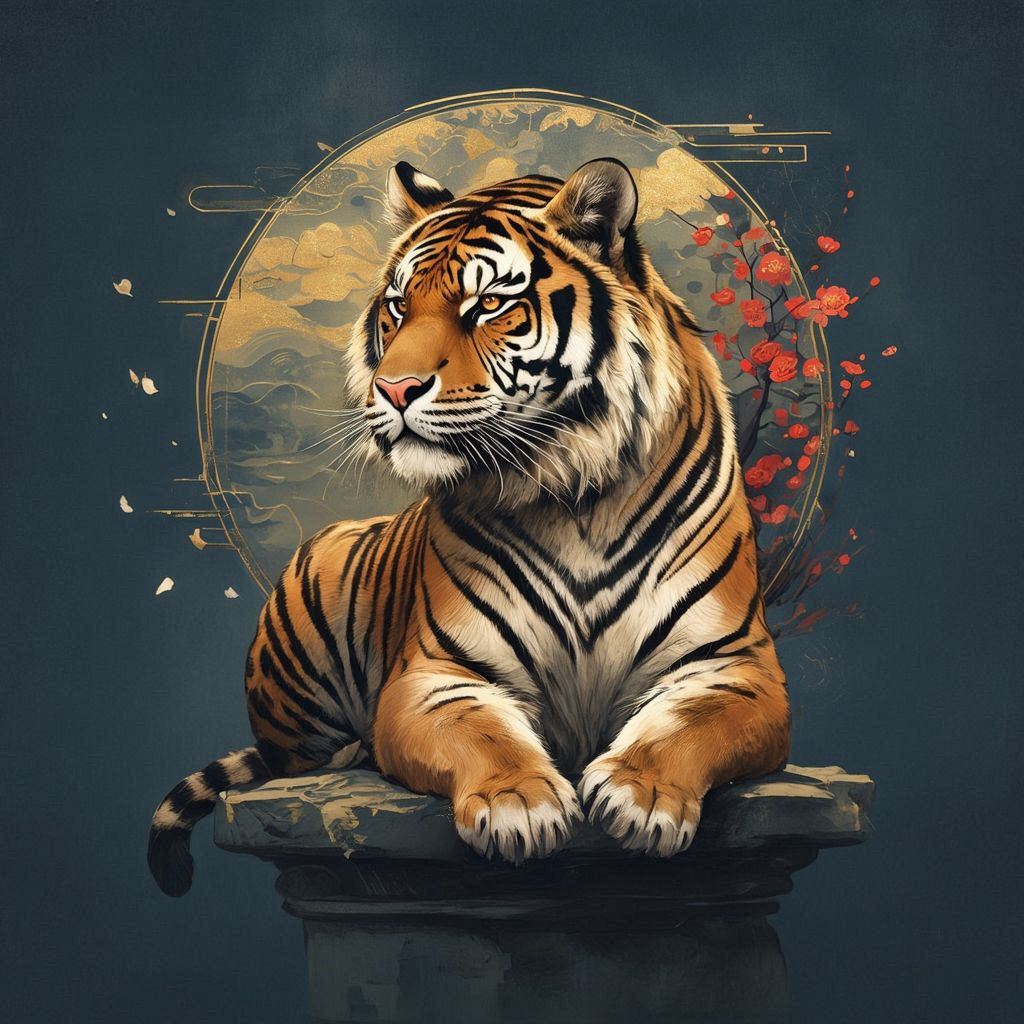
Tiger
寅
Tiger
Years: 2022, 2010, 1998, 1986, 1974, 1962 (every 12 years). Note: Chinese New Year falls between Jan 21–Feb 20 — those born in January or early February should verify their animal year.
Rabbit
卯
Rabbit
Years: 2023, 2011, 1999, 1987, 1975, 1963 (every 12 years). Note: Chinese New Year falls between Jan 21–Feb 20 — those born in January or early February should verify their animal year.
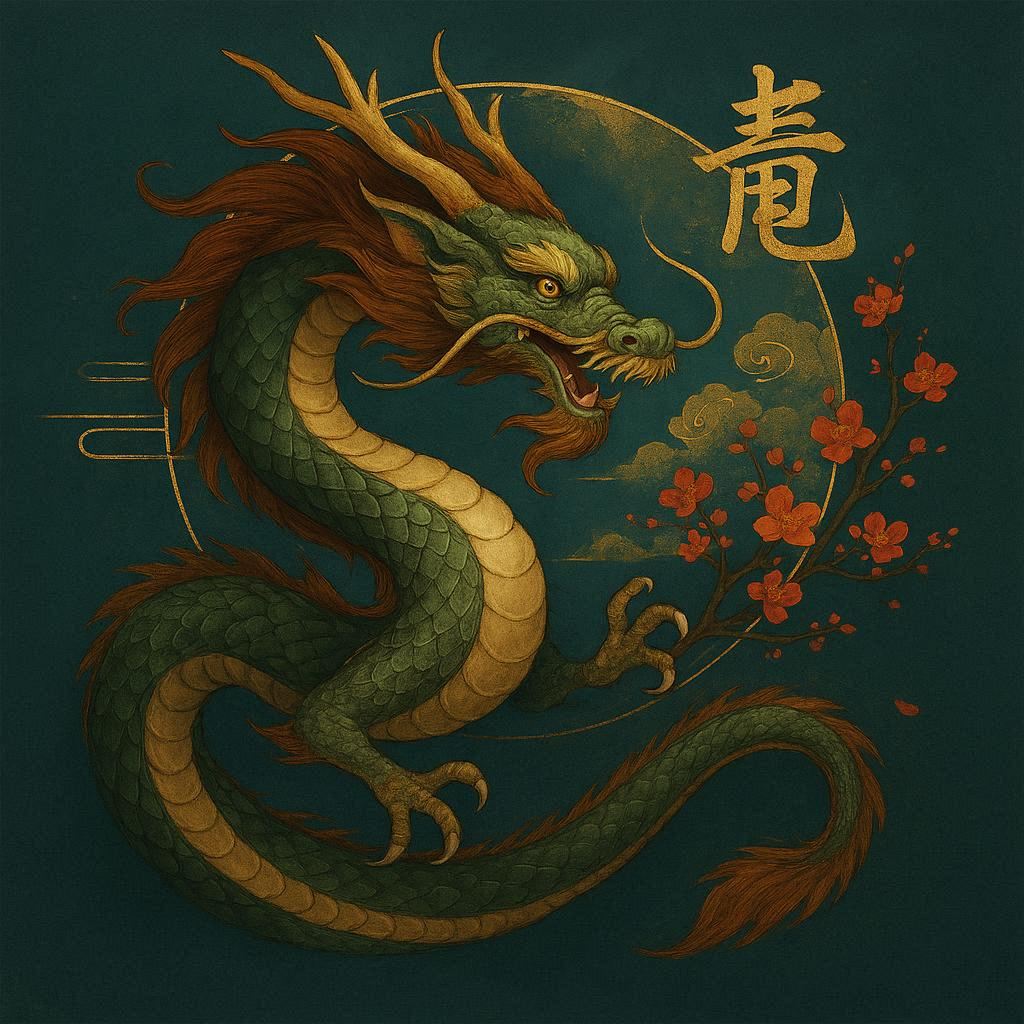
Dragon
辰
Dragon
Years: 2024, 2012, 2000, 1988, 1976, 1964 (every 12 years). Note: Chinese New Year falls between Jan 21–Feb 20 — those born in January or early February should verify their animal year.
Snake
巳
Snake
Years: 2025, 2013, 2001, 1989, 1977, 1965 (every 12 years). Note: Chinese New Year falls between Jan 21–Feb 20 — those born in January or early February should verify their animal year.
Horse
午
Horse
Years: 2026, 2014, 2002, 1990, 1978, 1966 (every 12 years). Note: Chinese New Year falls between Jan 21–Feb 20 — those born in January or early February should verify their animal year.
Goat
未
Goat
Years: 2027, 2015, 2003, 1991, 1979, 1967 (every 12 years). Note: Chinese New Year falls between Jan 21–Feb 20 — those born in January or early February should verify their animal year.
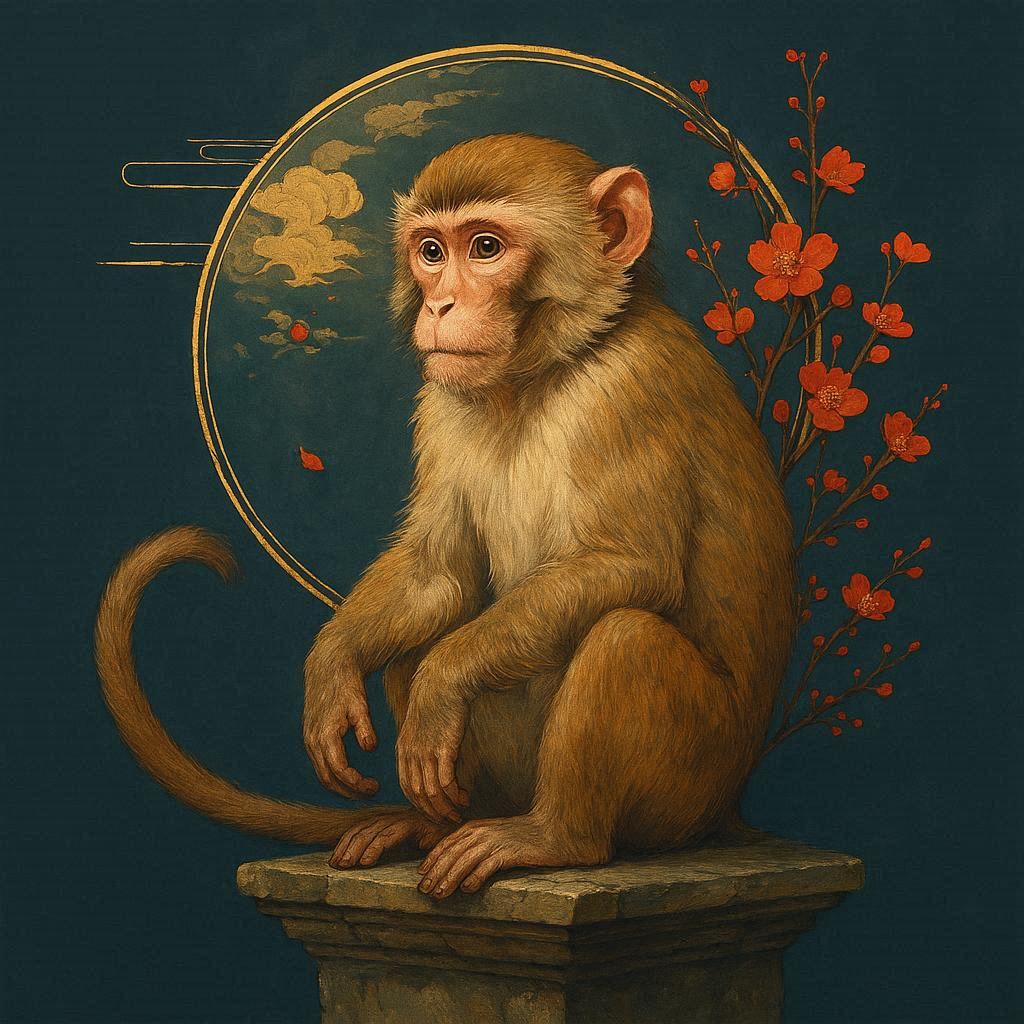
Monkey
申
Monkey
Years: 2028, 2016, 2004, 1992, 1980, 1968 (every 12 years). Note: Chinese New Year falls between Jan 21–Feb 20 — those born in January or early February should verify their animal year.
Rooster
酉
Rooster
Years: 2029, 2017, 2005, 1993, 1981, 1969 (every 12 years). Note: Chinese New Year falls between Jan 21–Feb 20 — those born in January or early February should verify their animal year.
Dog
戌
Dog
Years: 2030, 2018, 2006, 1994, 1982, 1970 (every 12 years). Note: Chinese New Year falls between Jan 21–Feb 20 — those born in January or early February should verify their animal year.
Pig
亥
Pig
Years: 2031, 2019, 2007, 1995, 1983, 1971 (every 12 years). Note: Chinese New Year falls between Jan 21–Feb 20 — those born in January or early February should verify their animal year.

History & Origins

The Chinese zodiac — Shengxiao (生肖) — is the genuine article and the source of nearly all the others: the twelve-animal cycle that Korea, Japan, Vietnam, Mongolia, Tibet and Thailand each received and adapted. Its twelve animals — Rat, Ox, Tiger, Rabbit, Dragon, Snake, Horse, Goat, Monkey, Rooster, Dog and Pig — run in a fixed order that has been stable for two thousand years.

But the animals came second. The older system is the twelve Earthly Branches (地支), a way of counting time in twelves that reaches back to the Shang dynasty (c. 1600–1046 BC), whose oracle bones already pair the branches with the ten Heavenly Stems to number the days in a sixty-day cycle. The animals were attached to the branches later, as a popular, memorable face for an abstract calendar.

How much later, we can actually date. The earliest surviving lists that tie animals to the branches are the Qin-dynasty bamboo almanacs from Shuihudi (buried around 217 BC) and Fangmatan — and their animals do not all match the modern set, proof that the system was still settling. By the Han dynasty (206 BC–AD 220) the familiar twelve had become standard. The beloved tale of the Great Race — the Jade Emperor summoning the animals, the Rat riding the Ox and leaping ahead — is a charming later invention to explain the order, not a record of how it came to be.

So the honest verdict is unusually simple: this one is real, deep and old. Combined with the five elements — wood, fire, earth, metal, water — the twelve animals form a sixty-year cycle still used across East Asia, and the animal year still turns not on 1 January but at the lunar New Year, when a billion people note which creature will preside over the year to come.