


Japanese Zodiac
Twelve signs rooted in Japanese ancient calendar
The Signs





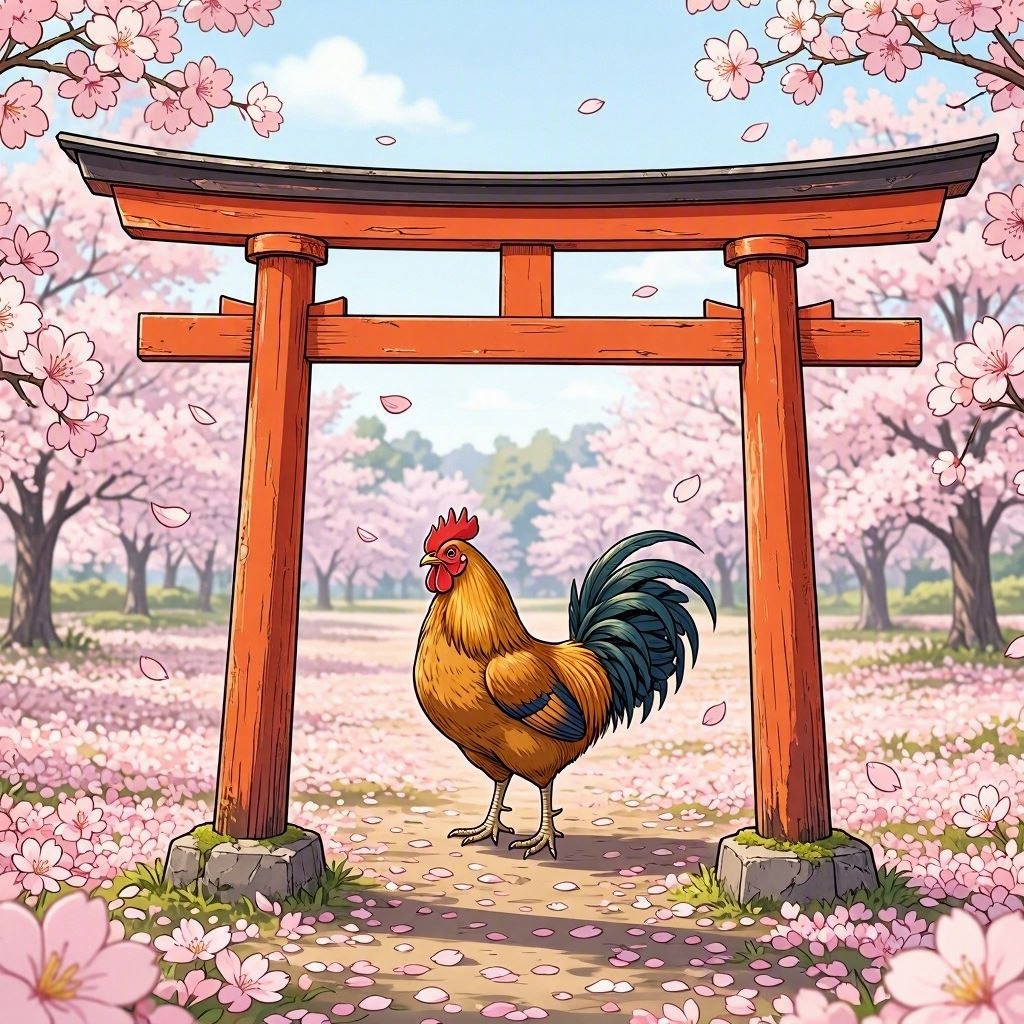

History & Origins
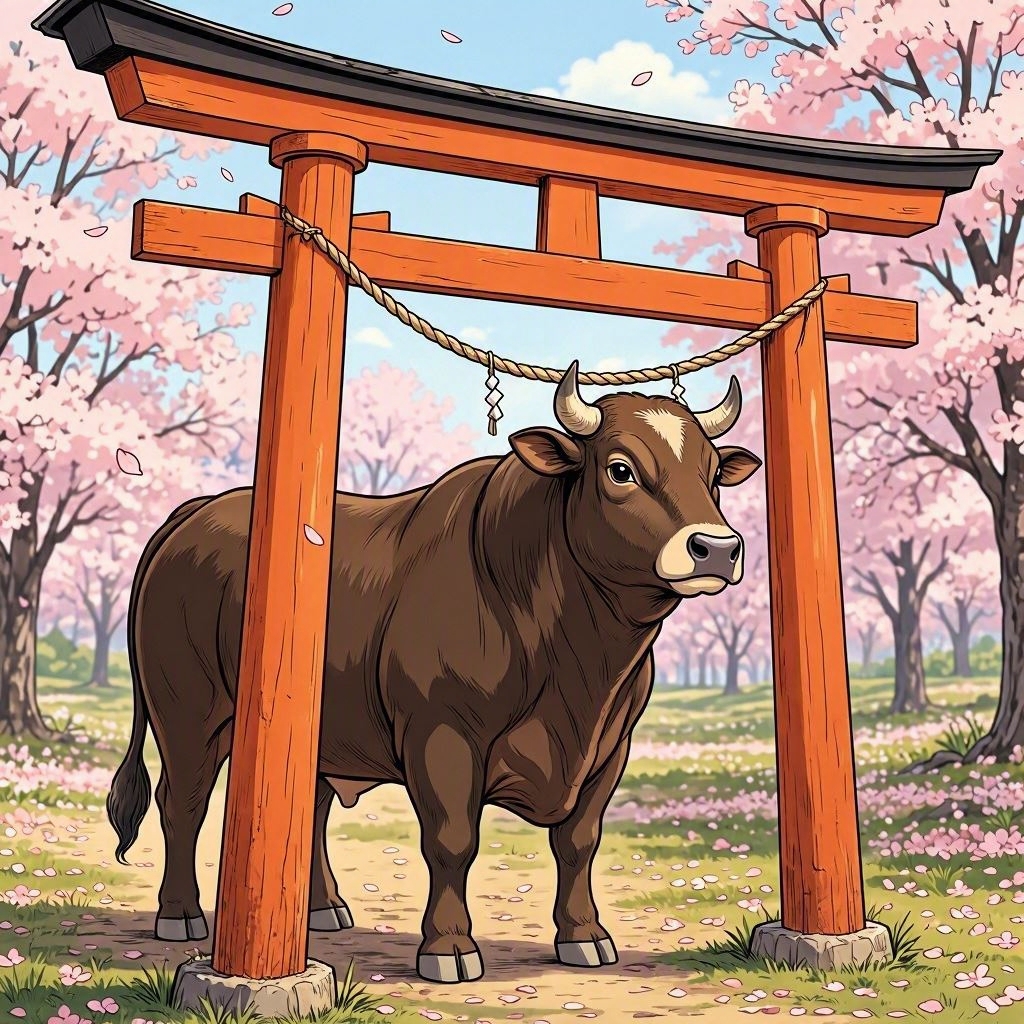
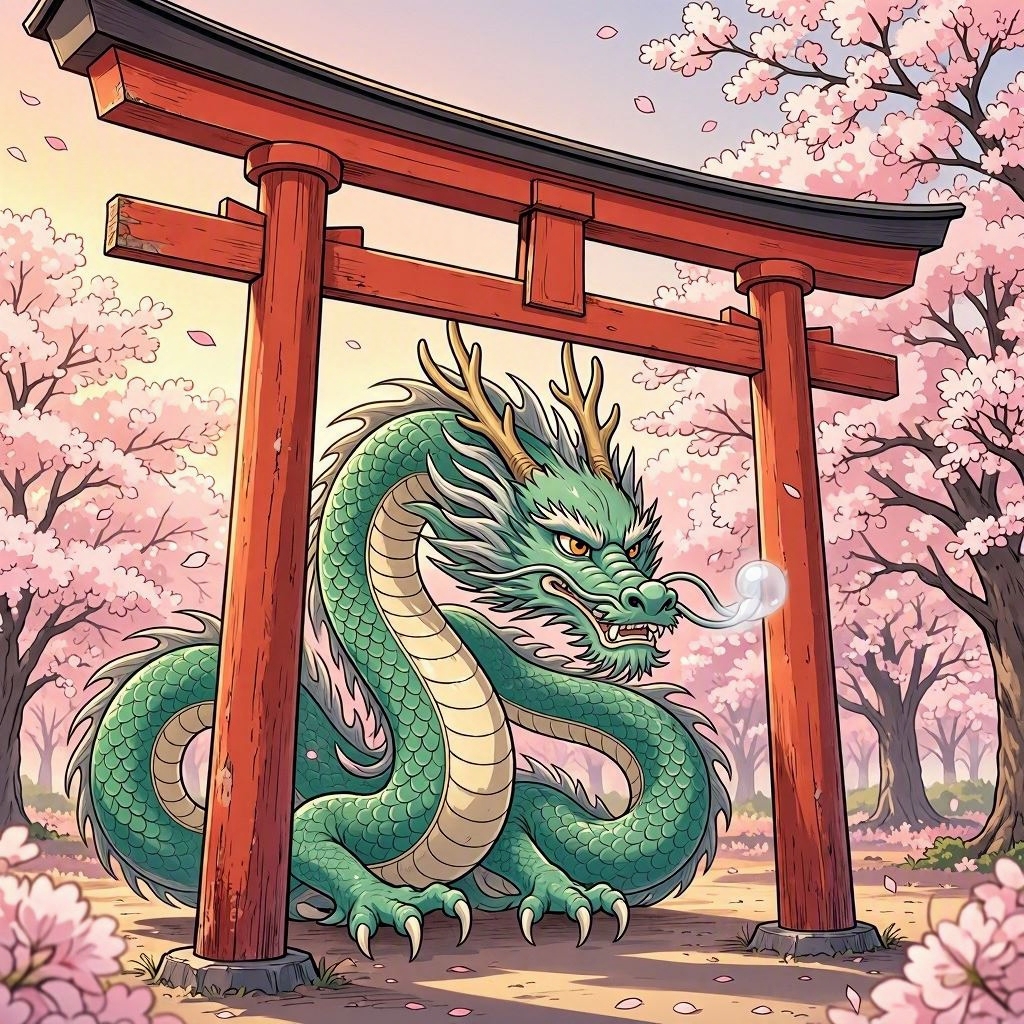
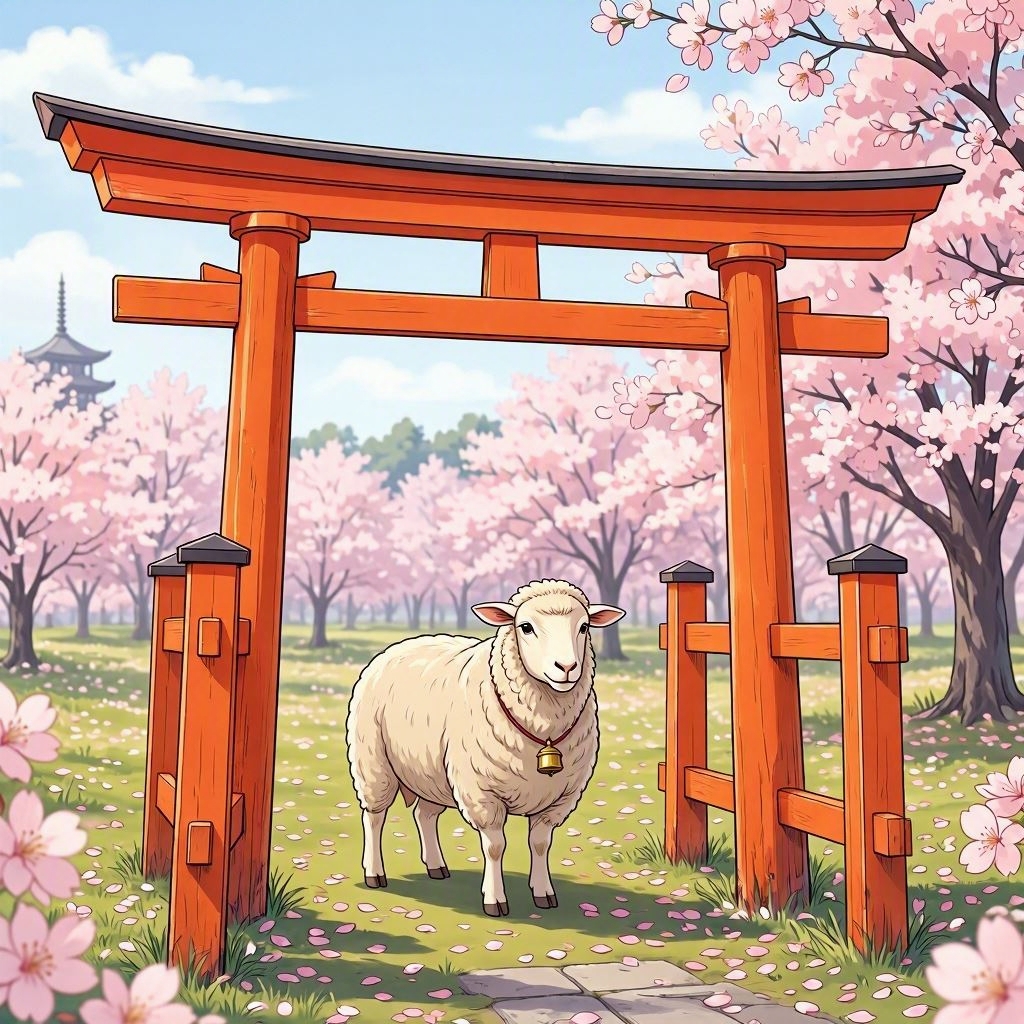
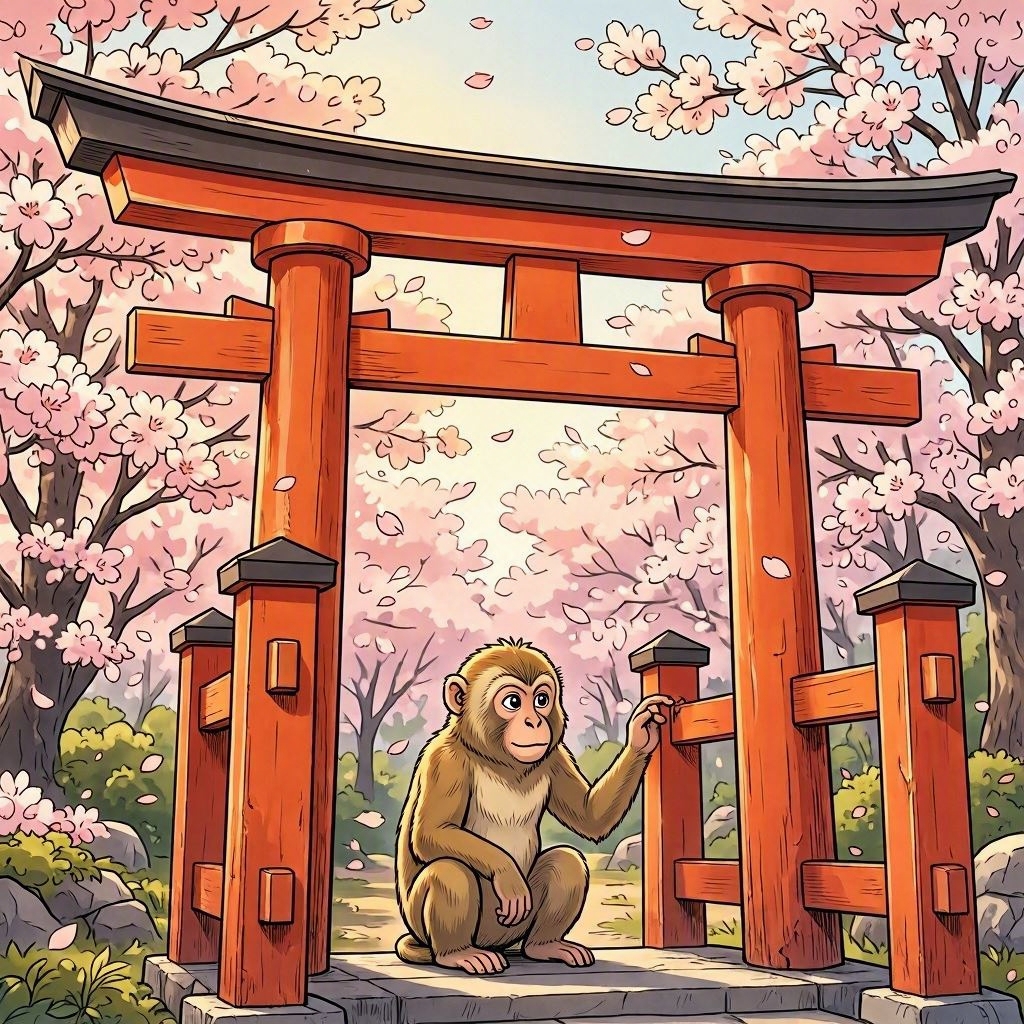
The Japanese zodiac — jūnishi (十二支), or in daily speech eto — is the Chinese system, and Japan has never pretended otherwise. The same twelve animals in the same order, the same ten-stem, twelve-branch sexagenary cycle of sixty years, arrived from China by way of Korea, carried along with Buddhism and the Chinese calendar somewhere between the 3rd and 6th centuries AD. For a millennium and a half it has been part of Japanese life, but its bones are Chinese.
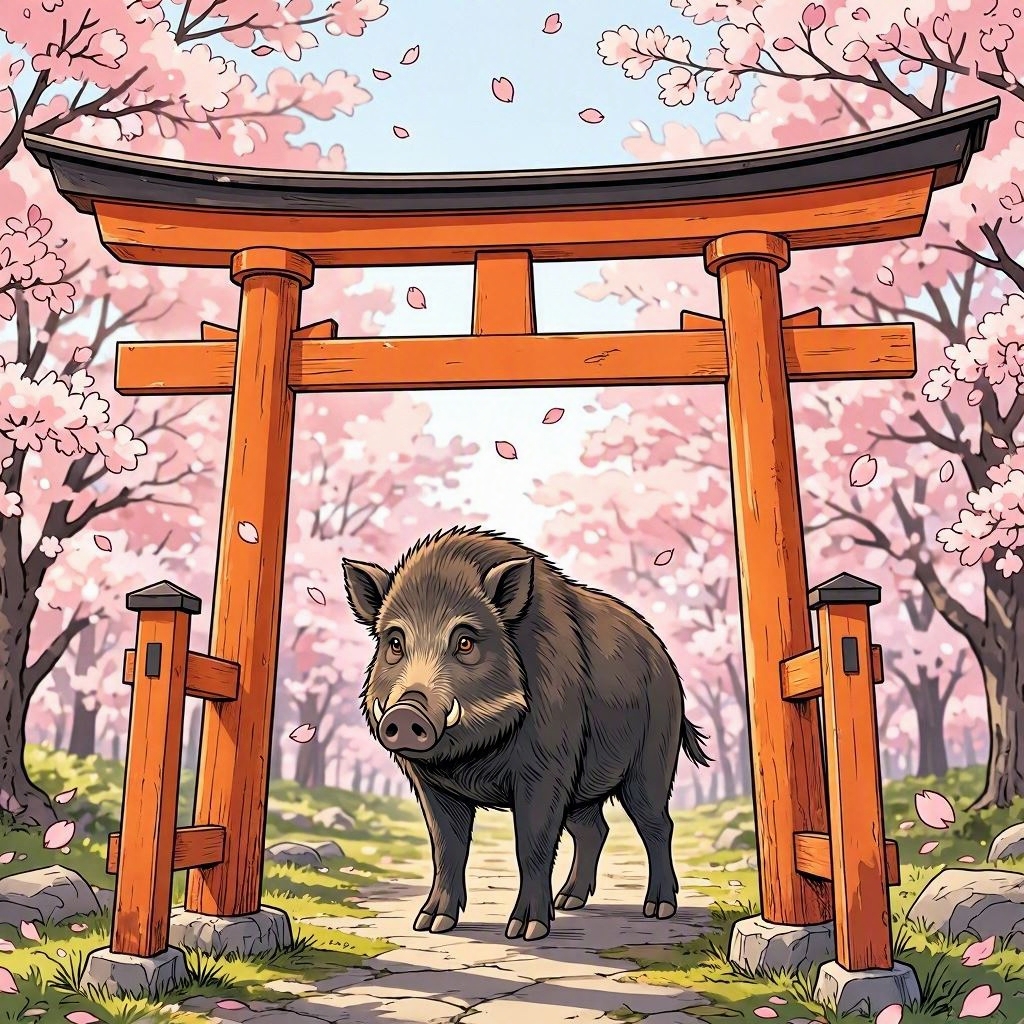
Japan did leave its mark. The twelfth animal, the Chinese Pig, is in Japan the wild Boar (i, 亥) — prized not for prosperity but for courage and headlong determination. The animals long governed not just years but hours, directions and the ordering of events, and they saturate the New Year: the nengajō greeting cards, temple visits and decorations of each January feature the animal whose turn has come.
The sharpest difference is on the calendar. In 1872 Meiji Japan abandoned the old Chinese-style lunisolar calendar for the Western Gregorian one — and the zodiac moved with it. So while China, Korea and Vietnam still change the animal at the lunar New Year of late January or February, in Japan the new creature takes over precisely on 1 January. A person born in January can therefore hold a different Japanese sign than they would under the Chinese reckoning.
So the honest account is the familiar East Asian one: the signs are an ancient and genuine tradition, but a Chinese one, adopted rather than invented. What is distinctively Japanese is the framing — the Boar in place of the Pig, the New Year cards, and the clean shift to a January reckoning that quietly sets Japan's zodiac a little apart from the rest of the family that shares it.