


Vedic Astrology (Jyotish)
The eye of the Vedas, ancient Indian sidereal astrology
The Signs
History & Origins
Vedic astrology — Jyotisha, "the science of light" — is genuinely ancient, but it is two traditions in one, and honesty means telling them apart. The older layer is thoroughly Indian: the nakshatras, the twenty-seven lunar mansions the Moon passes through, are named already in the Vedas, and the Vedanga Jyotisha, attributed to the sage Lagadha and rooted in a tradition reaching back to perhaps 700–500 BC, is one of the oldest astronomical texts of the subcontinent.
But that oldest layer is astronomy and calendar, not horoscopes. The Vedanga Jyotisha is concerned with reconciling the lunar and solar years and fixing the correct times for Vedic sacrifice — reading the sky to keep the ritual calendar, not casting birth charts. For that indigenous core — the nakshatras, the lunar reckoning — Jyotisha is as authentically old as any system here.
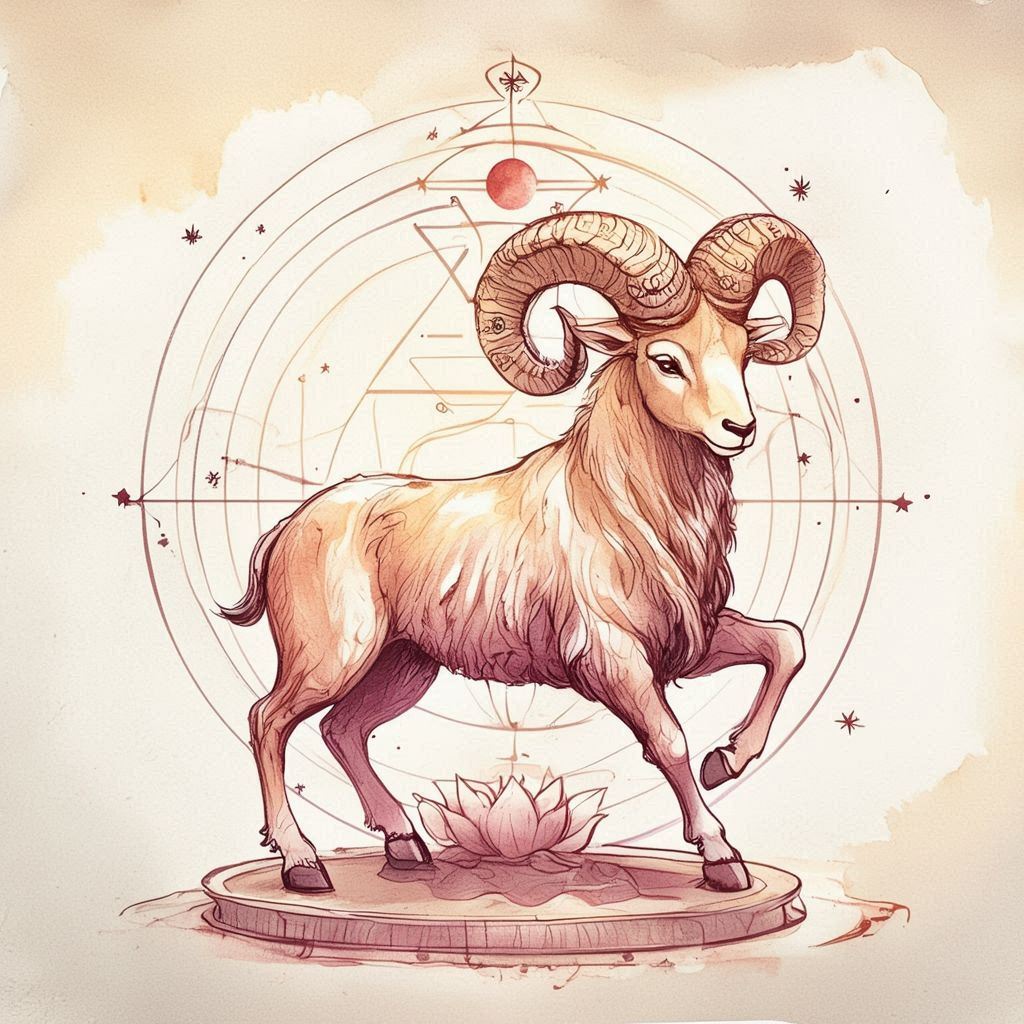
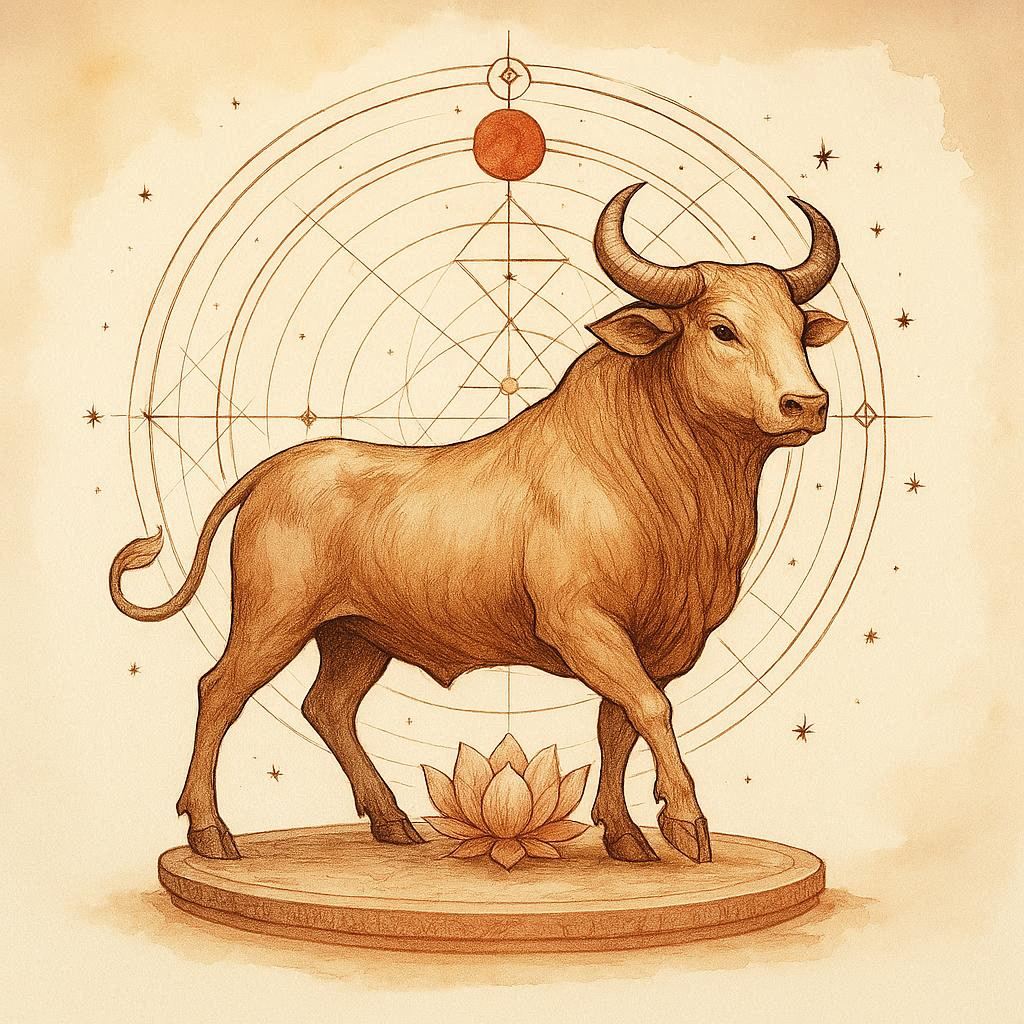
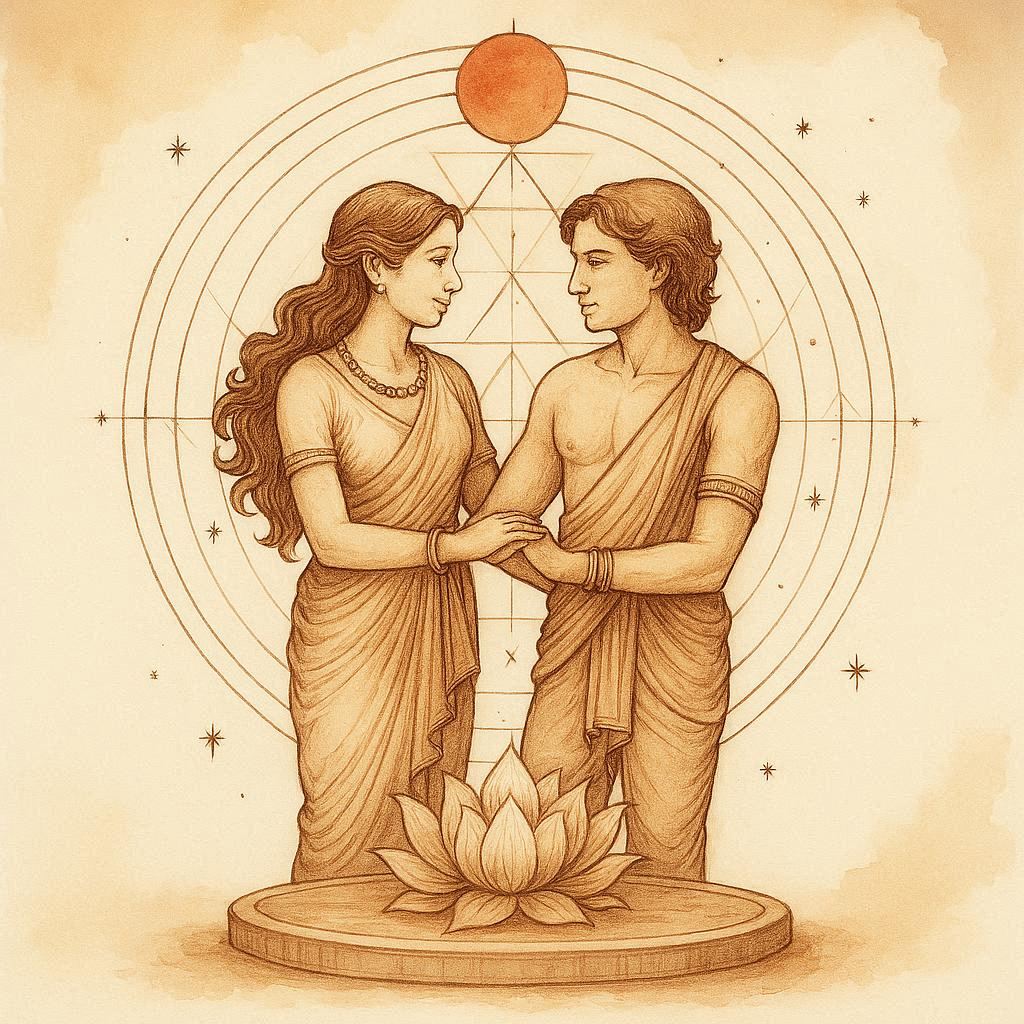
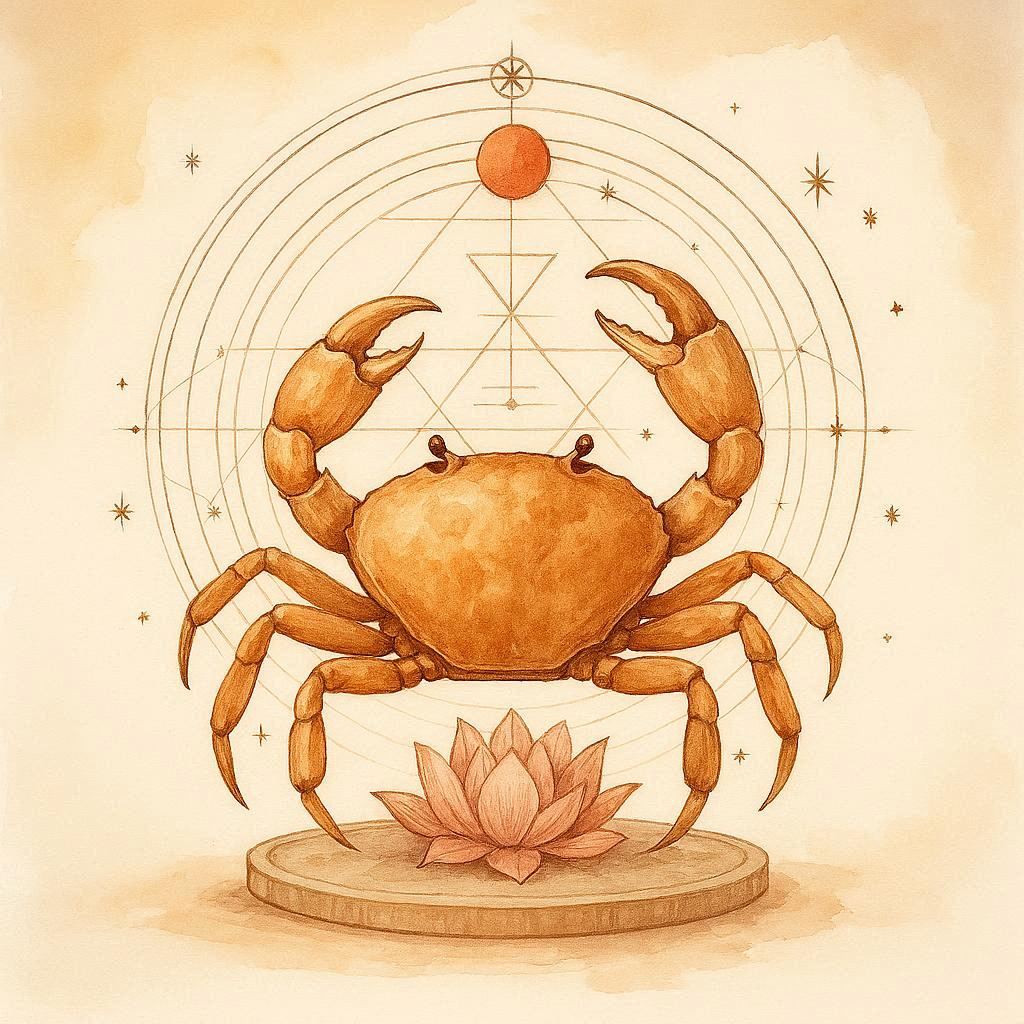
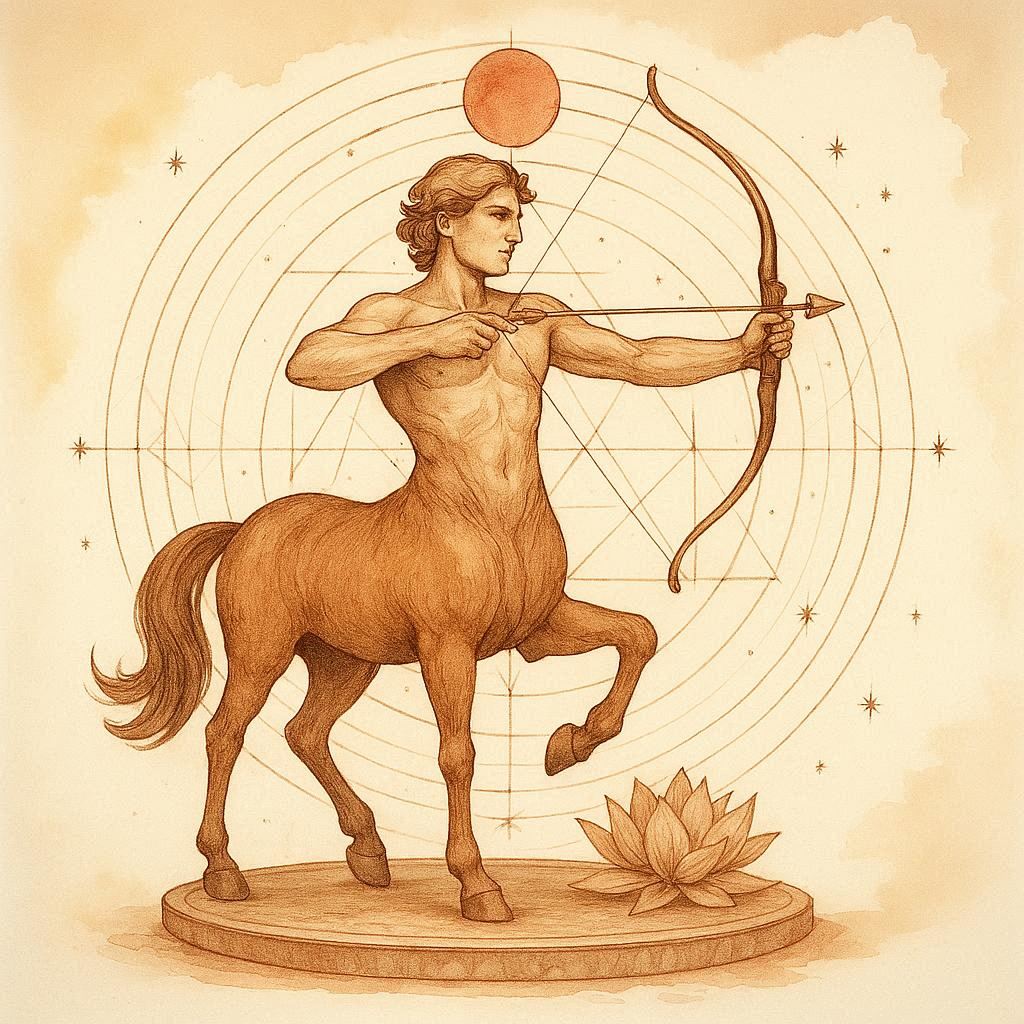
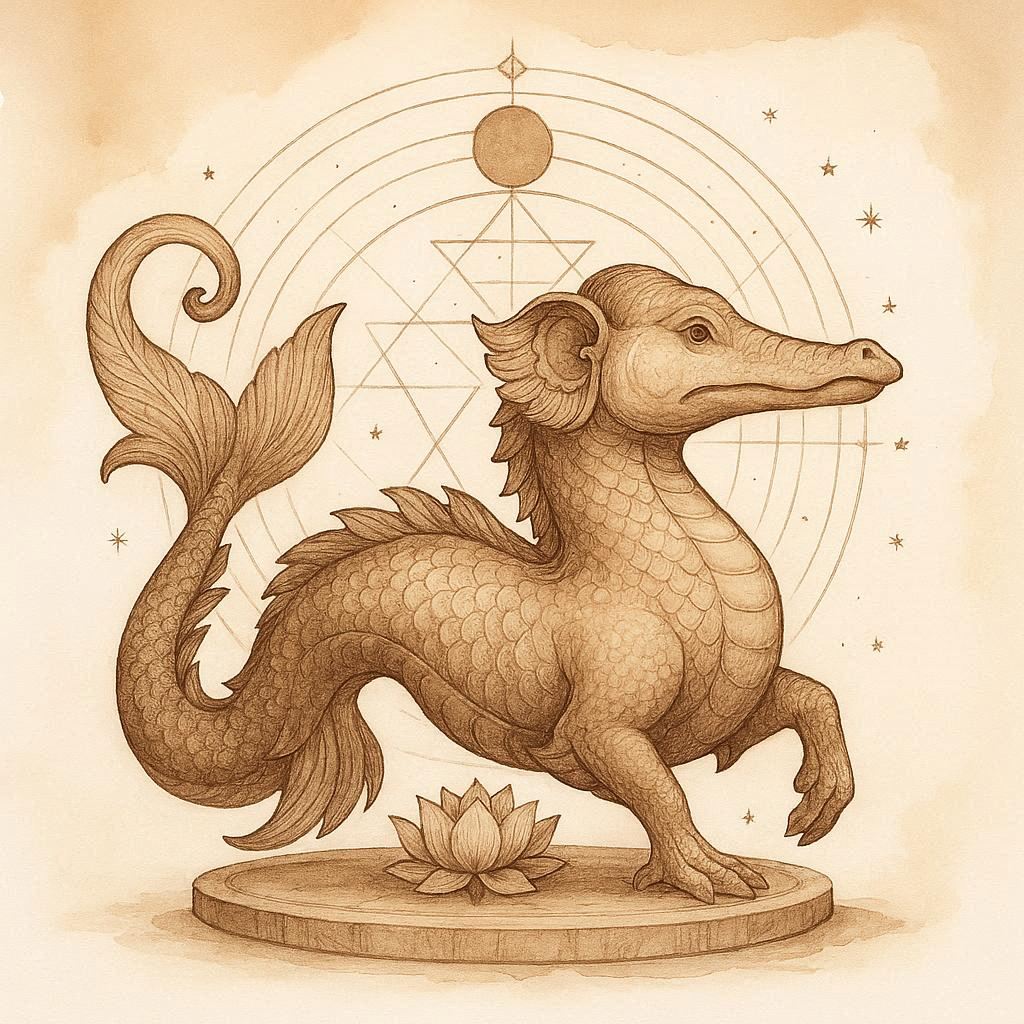
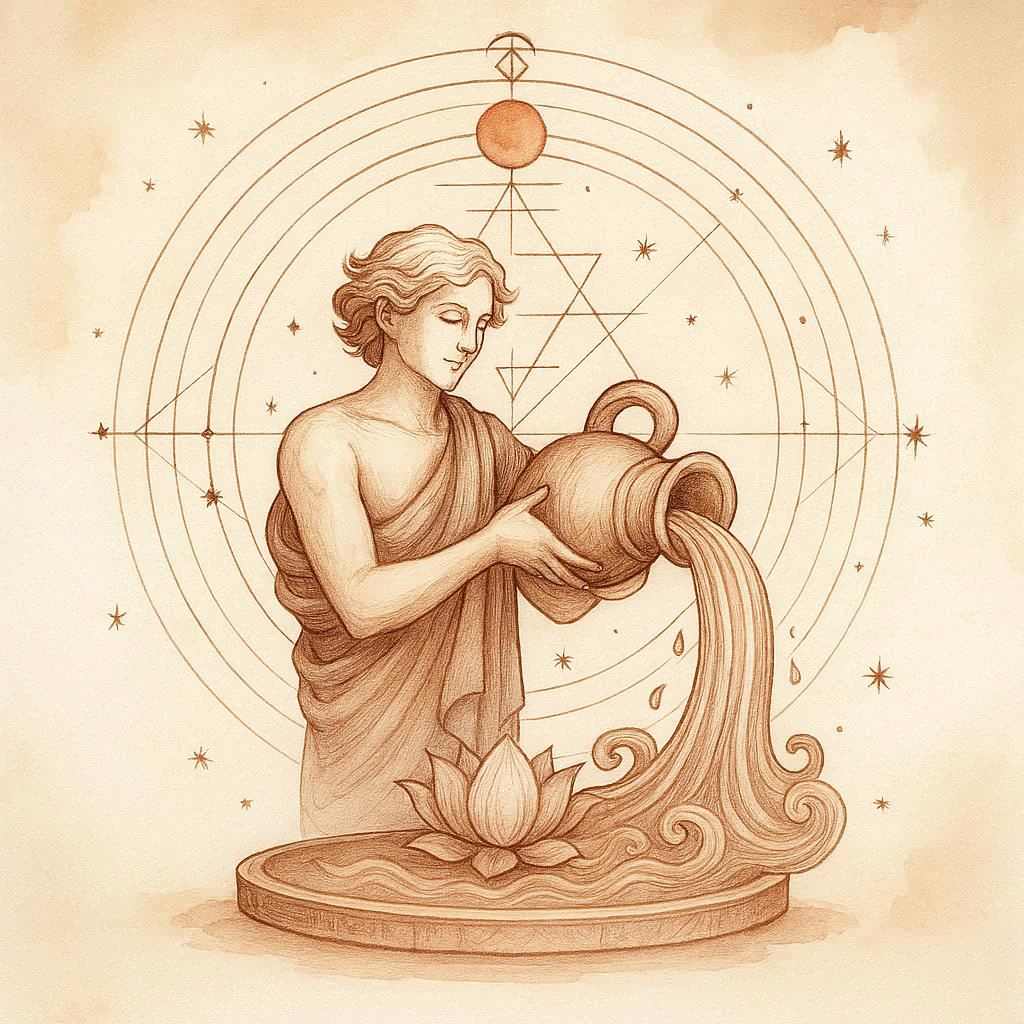
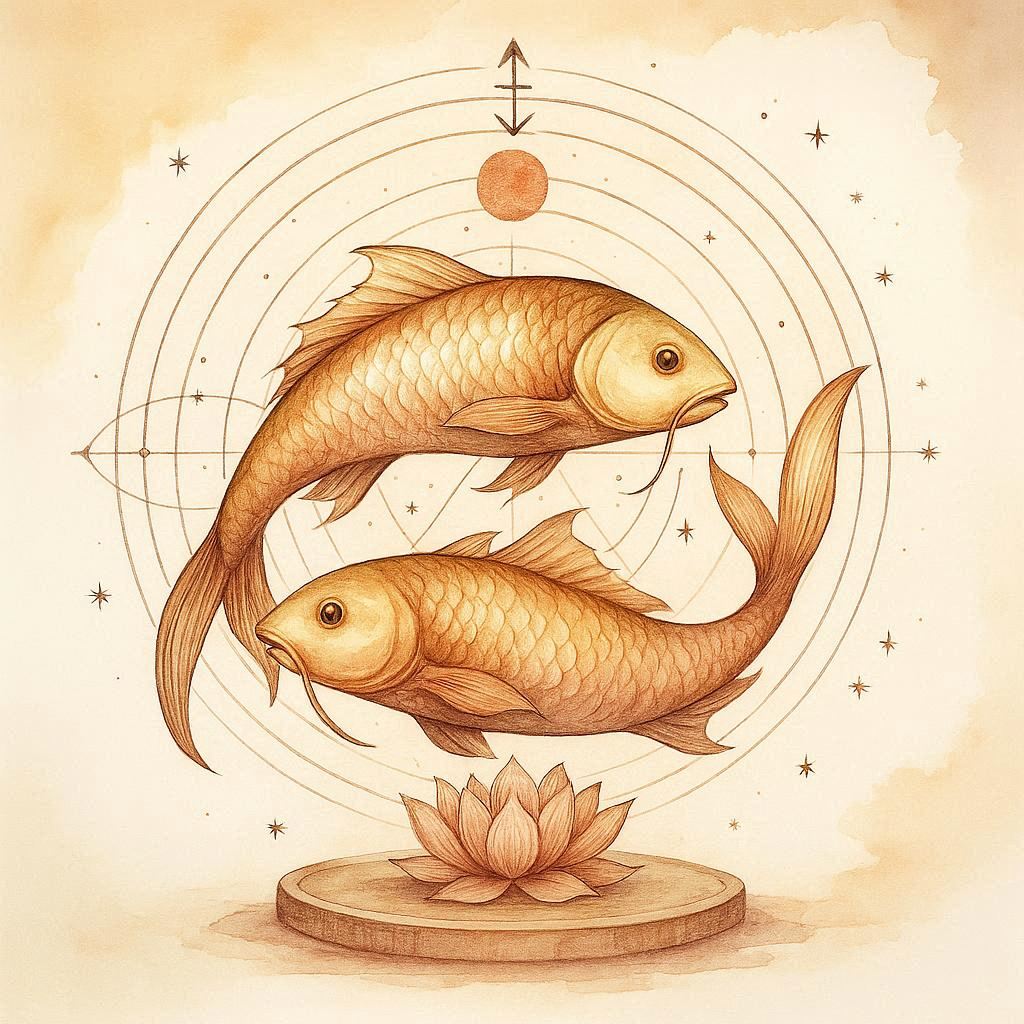
The birth-chart zodiac, however, came from outside. The twelve rashi — Mesha, Vrishabha, Mithuna and the rest — are the same twelve signs as the Western zodiac, and they entered India from Hellenistic Greek astrology in the early centuries AD. The pivotal text even says so in its name: the Yavanajataka, "the sayings of the Greeks," rendered into Sanskrit around AD 150 and versified by Sphujidhvaja in AD 269–270. Indian scholars translated the Greek signs directly and built horoscopy (jataka) upon them.
None of this makes Jyotisha less remarkable — if anything, more. India took a Greek import (itself descended from Babylon), fused it with its own ancient nakshatras, and elaborated something the Greeks never had: the dashas, the planetary periods; the yogas; and a sidereal zodiac fixed to the actual stars rather than the shifting equinox. The honest picture is a genuine synthesis — an ancient indigenous astronomy joined to an adopted zodiac, and made unmistakably Indian.