


Korean Zodiac
The twelve zodiac animals of Korean folk tradition
The Signs
History & Origins
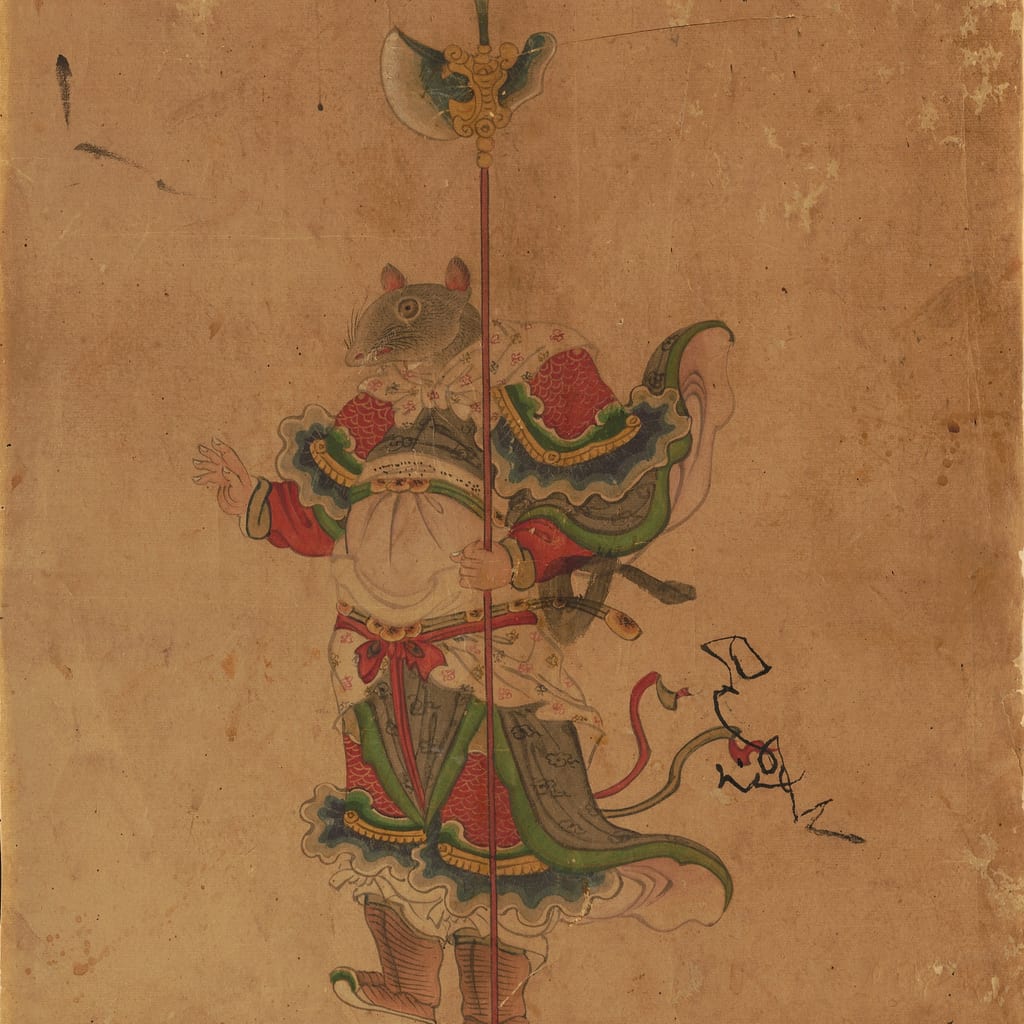
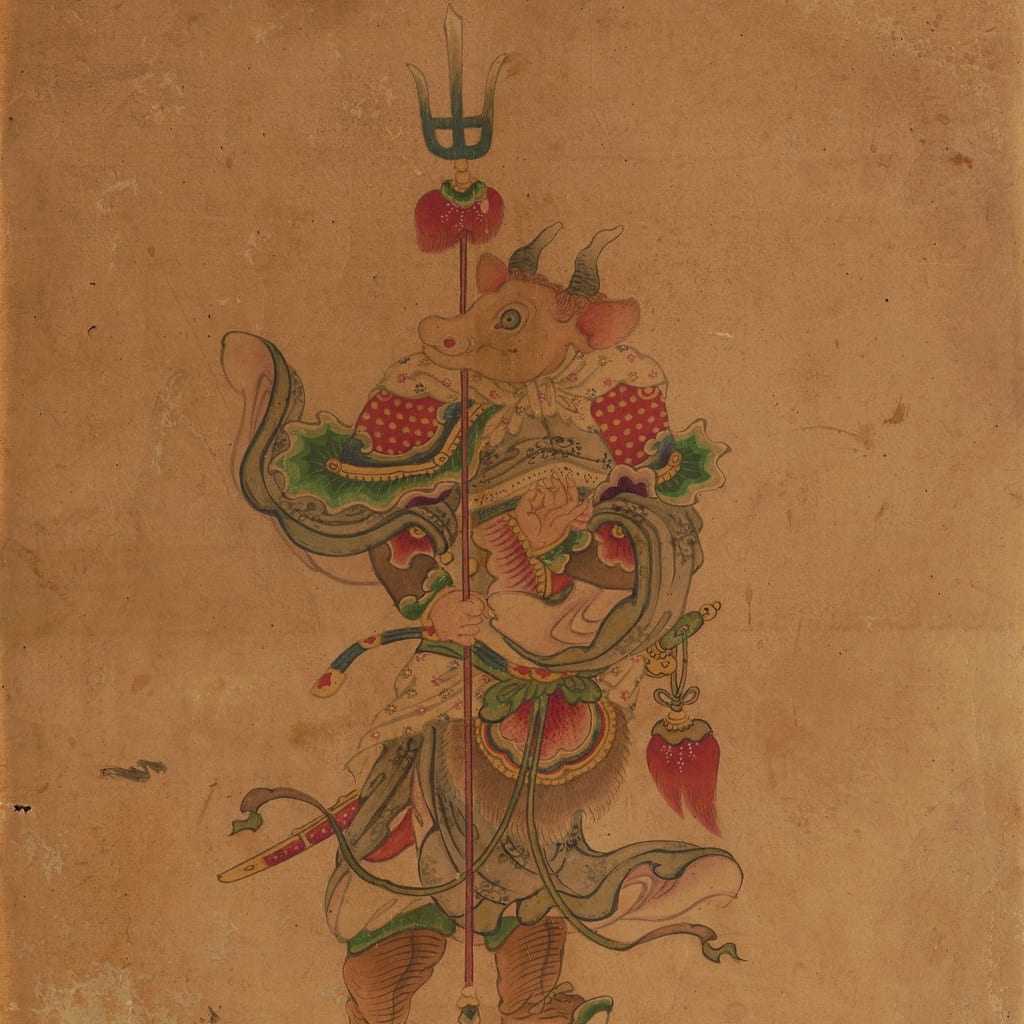
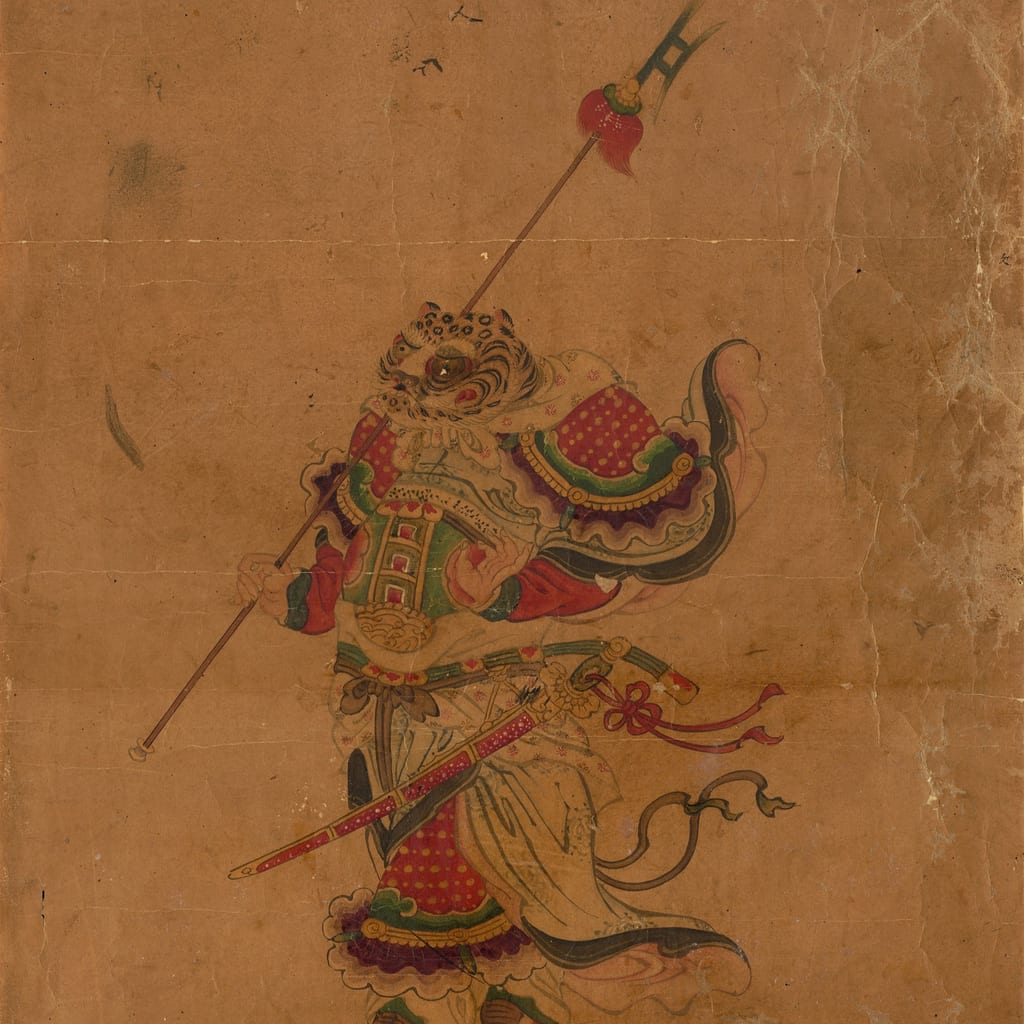
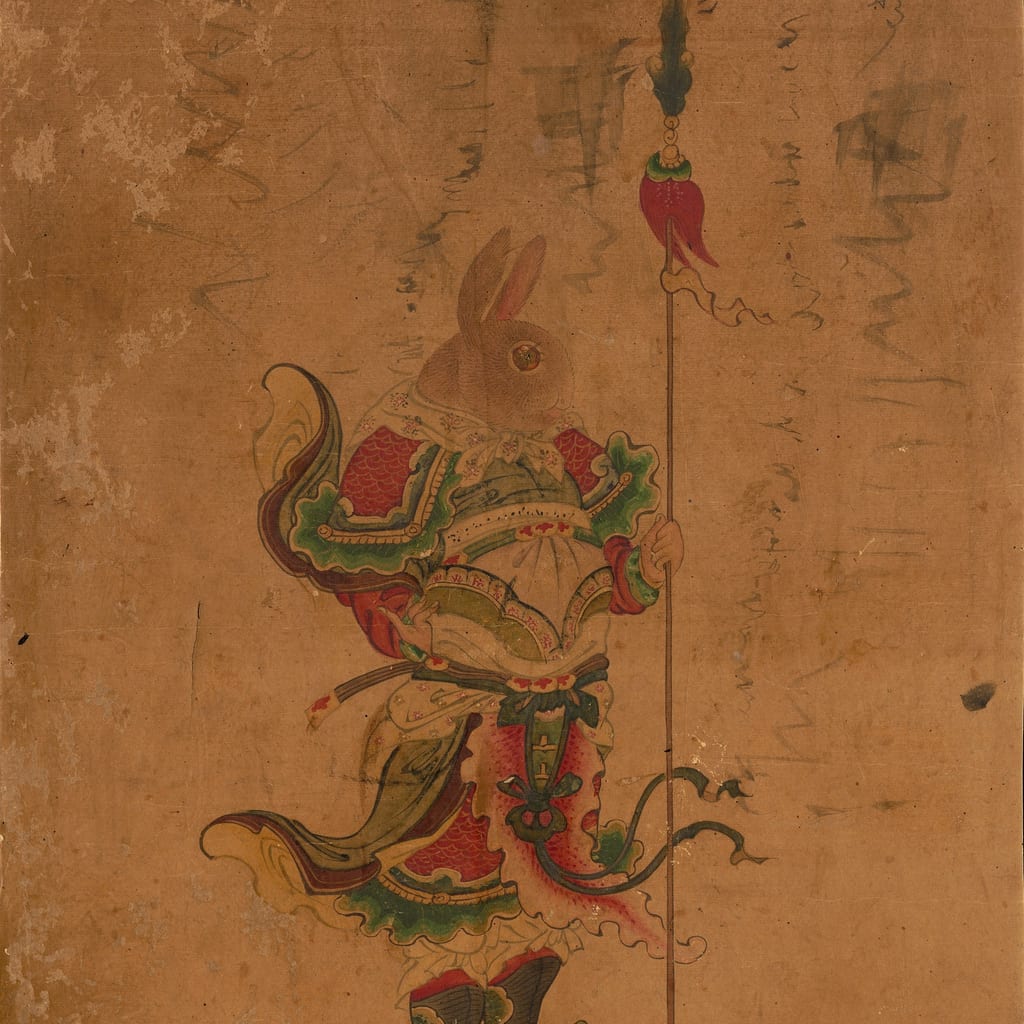
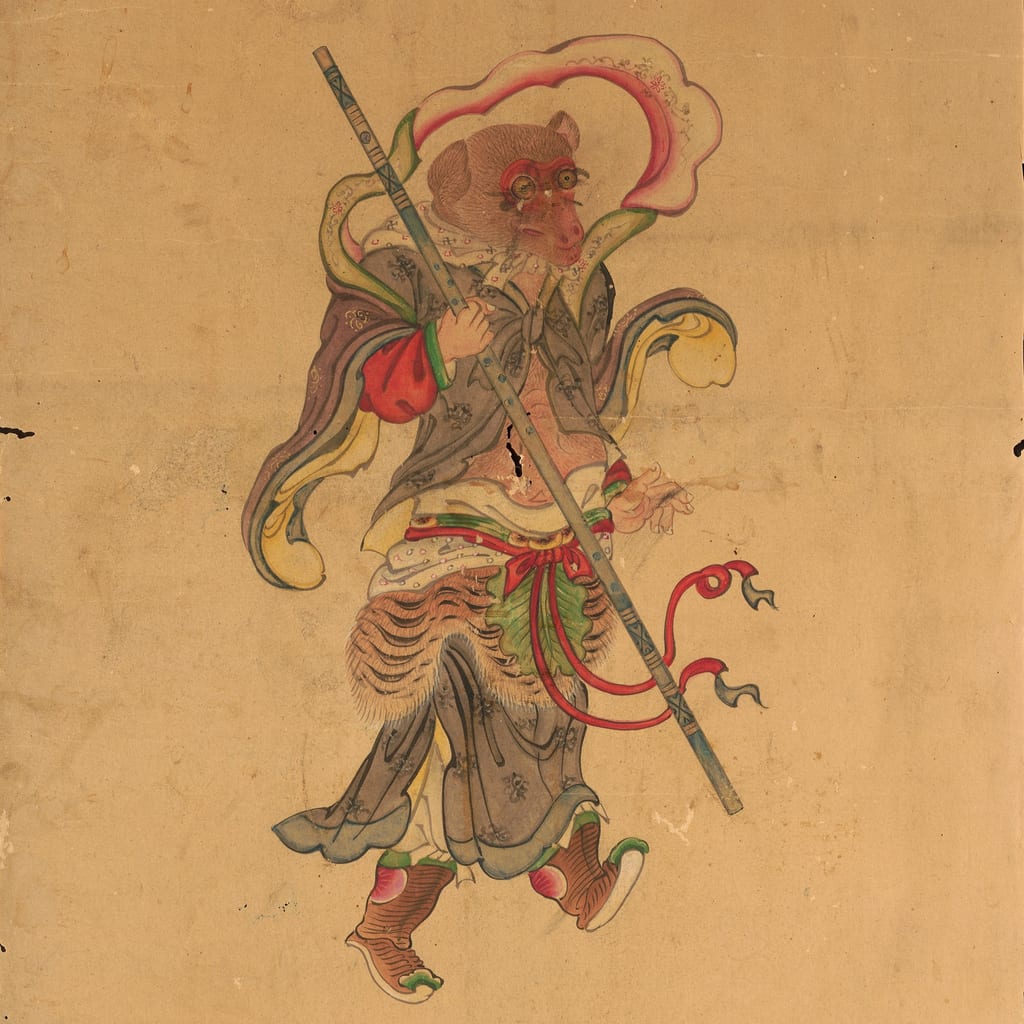
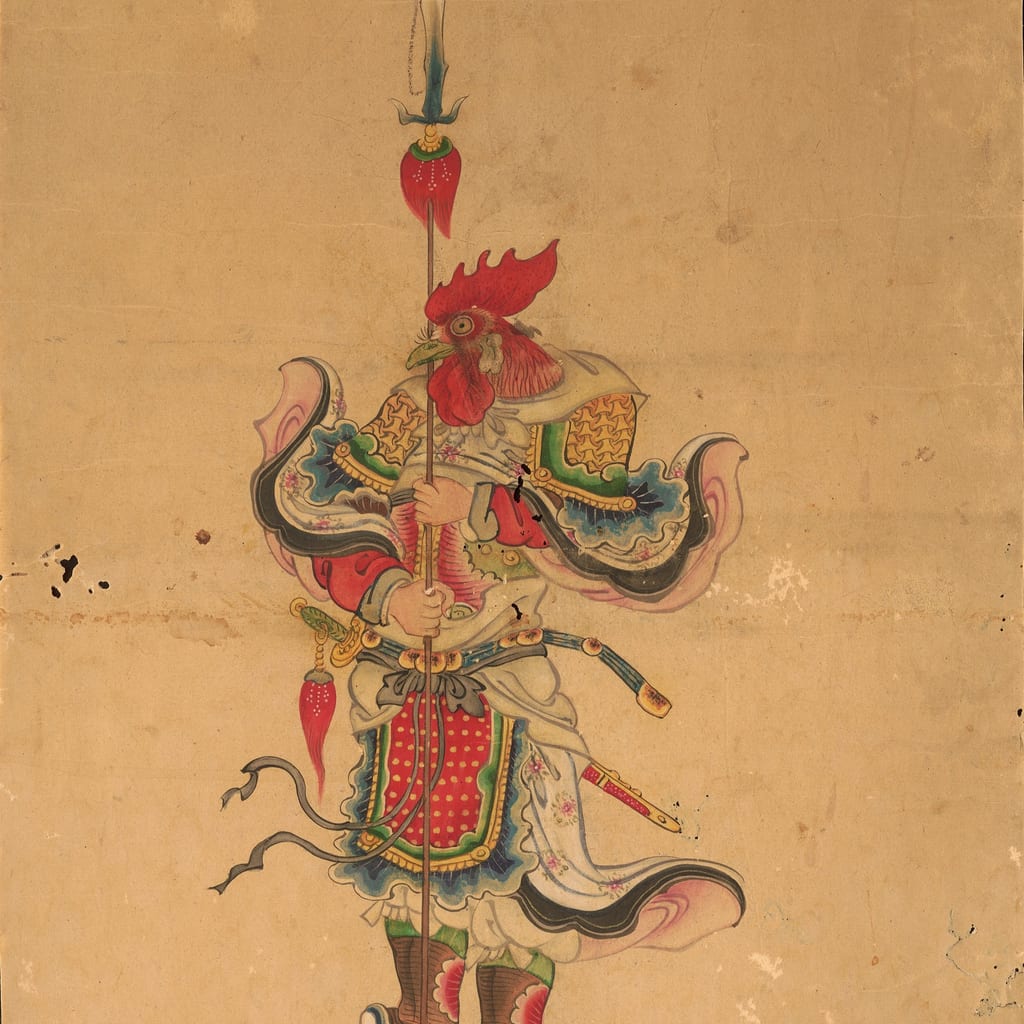
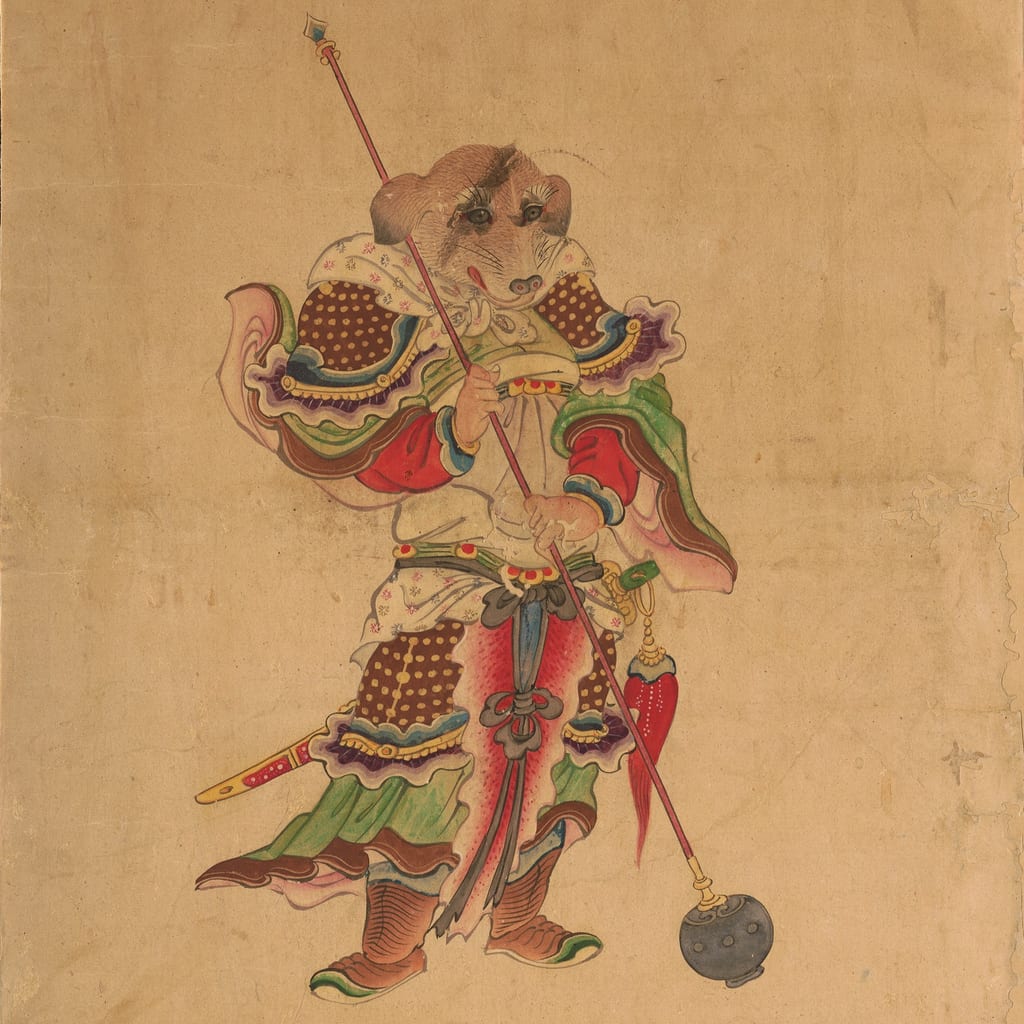
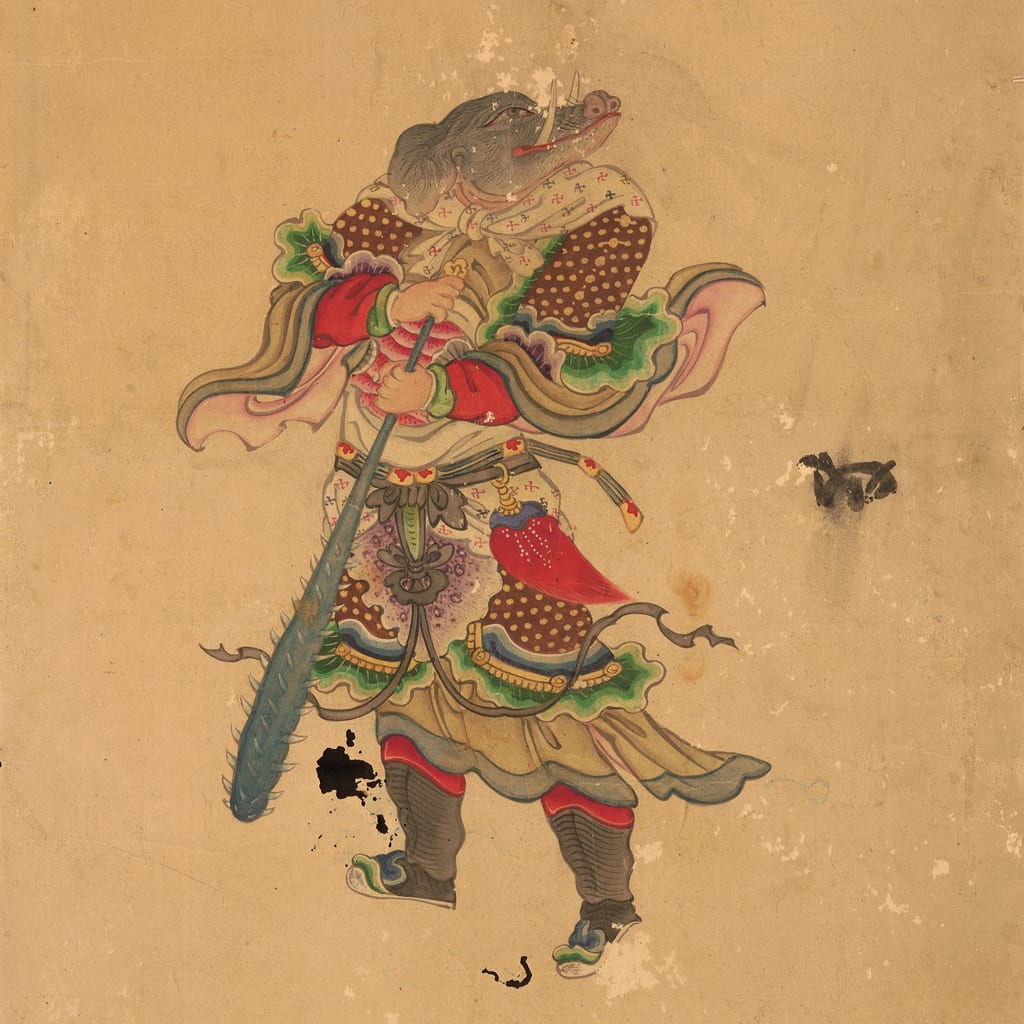
In Korea everyone has a tti (띠): the animal of the year in which they were born. The twelve animals — Rat, Ox, Tiger, Rabbit, Dragon, Snake, Horse, Sheep, Monkey, Rooster, Dog and Pig — stand for the twelve Earthly Branches (십이지, sibiji), which Koreans read as Ja, Chuk, In, Myo, Jin, Sa, O, Mi, Sin, Yu, Sul and Hae. The National Folk Museum of Korea describes the tti as a sign "assigned to each of us when we are born, like destiny": through it Koreans have tried to read the fortune of the year, a person's character and talents, and how well two people will get along.
The branches are older than the animals. The museum's Encyclopedia of Korean Folk Literature explains that they were devised in China to mark the cycles of nature — the movement of the stars and the change of the seasons — and were in wide use under the Yin dynasty; by the middle of the Han dynasty they had been tied to the hours of the day and the points of the compass. The first text that pairs each branch with an animal is the Lunheng (論衡) of Wang Chong, written under the Later Han: "Yin is wood, and its animal is the tiger." The museum adds that, although the twelve signs are usually thought of as Chinese, scholars widely accept that the idea reached the East from the Middle East in the remote past.
Long before the zodiac, animals filled Korean art. The Bronze Age petroglyphs of Bangudae Terrace in Ulsan show deer, tigers, wild boars, cows, rabbits, whales, seals and sea turtles in scenes of hunting and fishing. The tomb murals of Goguryeo, in the north of the peninsula, show the Four Symbols: the Azure Dragon of the East, the Vermilion Bird of the South, the White Tiger of the West and the Black Turtle of the North. Silla buried clay figurines of dogs, horses, cows, pigs, sheep, monkeys, rabbits, tigers, dragons, chickens and snakes with its dead, and the Great Gilt-bronze Incense Burner of Baekje carries thirty-nine animals, real and mythical.
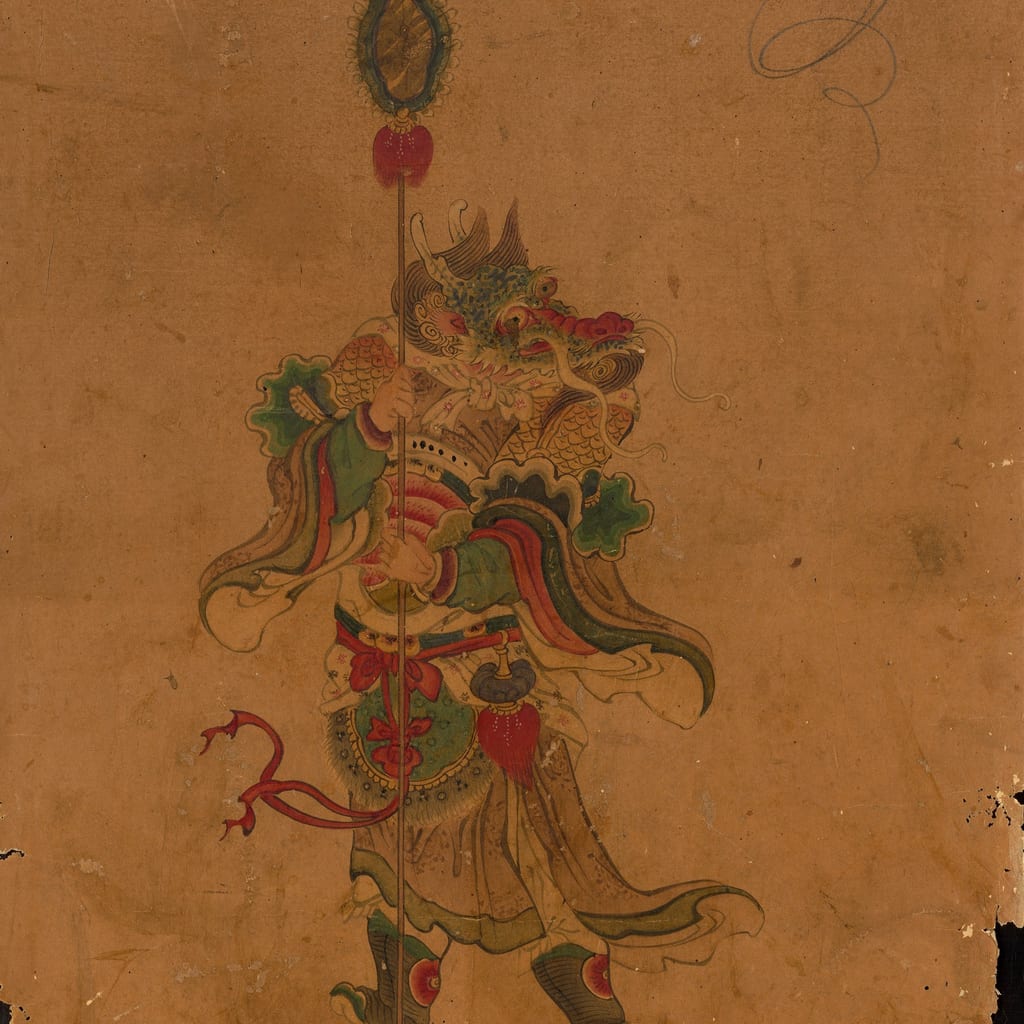
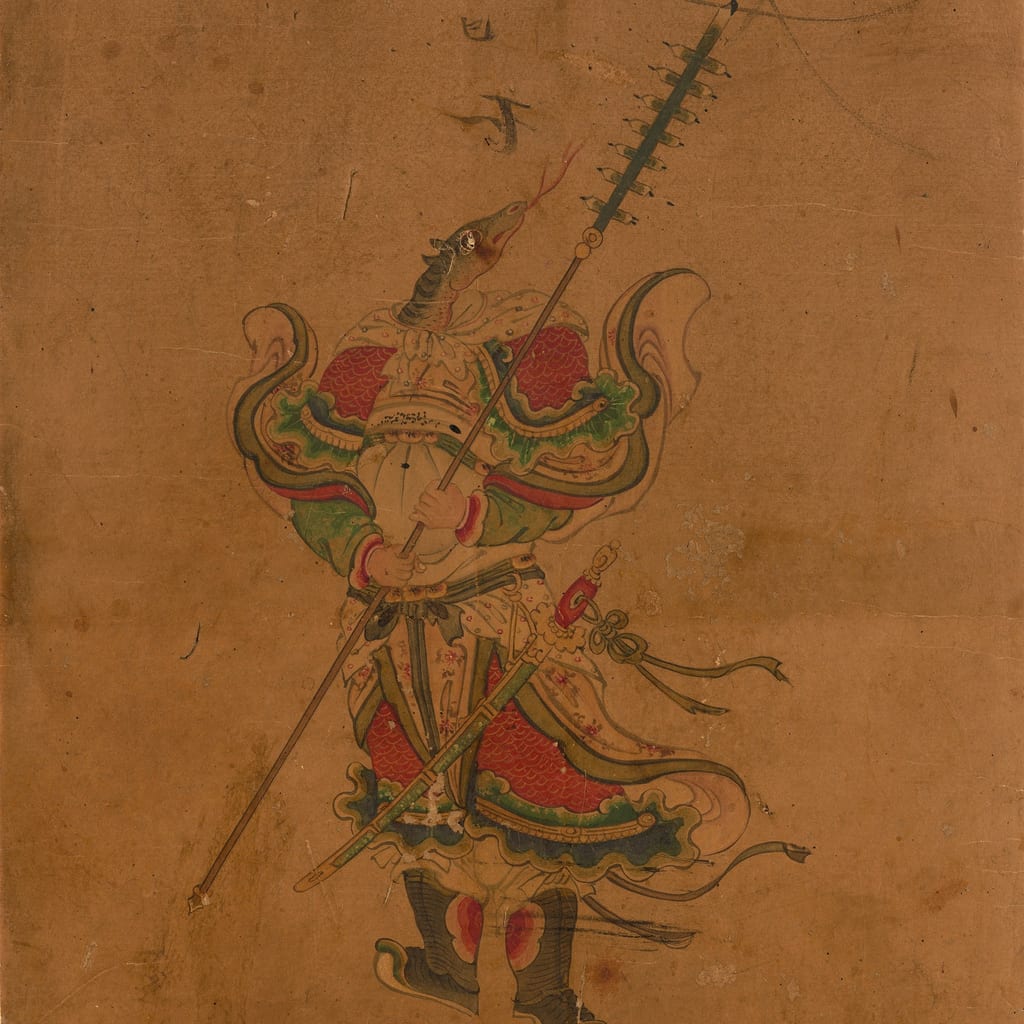
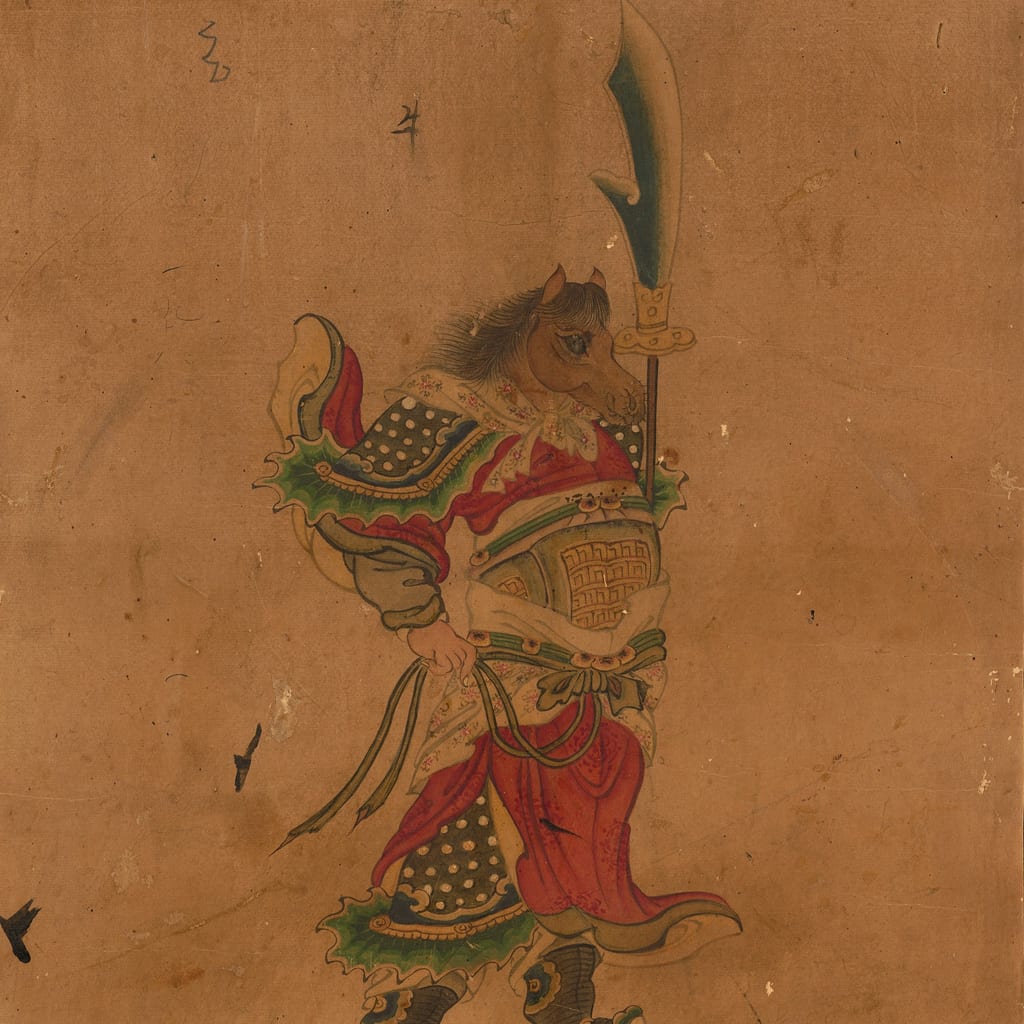
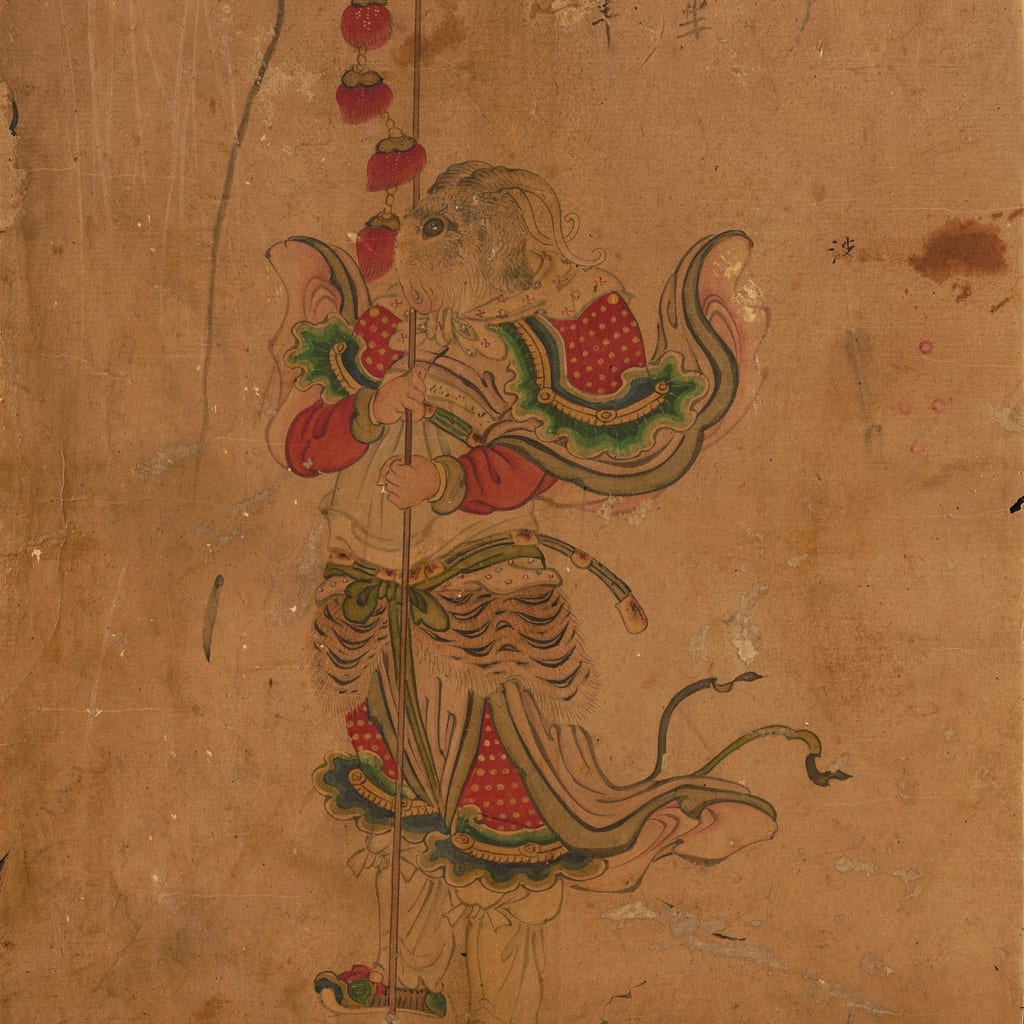
The Korean zodiac took shape in Silla. According to the museum, it was formed by combining the Four Symbols with the twelve animal deities of Silla: the animals were set in a circle according to time and direction, and each became a guardian that warded off evil coming from its own quarter. Under Chinese influence the twelve were associated with Buddhist sculpture, and in the Unified Silla period (668–935) they were carved as the twelve animal deities (십이지신, sibijisin) around the tombs of kings and nobles, dressed as military or as civil officials. The museum stresses that these deities, though influenced by China, are unique to Korea and developed a form and style of their own: it is in this period that the twelve animals "became established as symbols of time and direction" and entered the beliefs of the Korean people.
Goryeo kept the Silla tradition and used the animals more widely still: as stone guardian statues around tombs, in tomb murals and on stone coffins. Under the Joseon dynasty the custom of setting the twelve animals around royal tombs disappeared. Only the horse, the sheep and the tiger remained: the horses stand behind the statues of civil and military officials, as their mounts, and the sheep and the tiger to the west and east of the tomb, as its guardians. In the same period many animals began to appear in folk painting — on doors, closets, folding screens and walls, and on charms against evil spirits.
Each animal governs a two-hour period of the day, a month and a direction. The Rat holds the hours from 11 p.m. to 1 a.m., the eleventh month and the north; the Tiger the hours from 3 to 5 a.m. and the first month; the Rabbit the east at dawn; the Horse midday, the fifth month and the south; and so round the circle to the Pig, from 9 to 11 p.m., in the north-northwest. The museum gives a reason for every hour: the Rat is most active around midnight, the Ox chews the cud and readies itself for the morning's ploughing between one and three, the Rooster returns to its coop between five and seven in the evening, and the Pig sleeps soundly before midnight.
Why these animals, and why in this order? Korean folk tales give several answers. One counts the animals' toes, which alternate odd and even round the circle: the Rat comes first because it alone has an even number of toes on its forefeet and an odd number on its hind feet, uniting yin and yang in one body. Another tells of a race: the king of heaven promised a rank to the animals in the order in which they reached the gates of heaven on New Year's Day; the Ox trained hardest and arrived first, but the Rat, clinging to its back, jumped down at the last moment and passed the gate before it. The museum also records a story from the Joseon court: when King Seonjo asked why so ugly and harmful a creature should head the twelve, the official Ryu Hui-chun answered with the same reasoning of yin and yang in the Rat's feet.
Once the twelve had been established as gods of time and direction, the museum notes, followers of the Five Elements added to them the five planets and, arranging them in the order in which the elements generate one another, turned the zodiac into a way of telling the fortune of a person or of the world.
In Korean life the tti comes up on three occasions, the museum says: at the turn of the year, when people foretell the coming year's luck from its animal; at a birth, when the child's fortune is read from the animal of its year; and before a marriage, when the two animals are compared. The year itself is thought to take on its animal's nature — a Sheep year should be peaceful, a Horse year vigorous — and children grow up hearing sayings about their own animal: one born in the year of the Rat will never lack food, the Monkey-born are good with their hands, the Ox-born are diligent, the Dragon-born are courageous. The museum adds frankly that it has never been shown how far people's characters really resemble their animals, though such sayings may shape how people see themselves. The tti also appears in the interpretation of names, in the choice of auspicious days, in divination and feng shui, in temple and folk paintings, and on everyday objects.
Reading a couple's compatibility from their tti — gunghap (궁합) — is one of the most characteristic uses of the zodiac in Korea. The museum's encyclopedia traces it to marriage divination, practised before weddings in China since at least the Spring and Autumn period and widely in Joseon Korea; the word gunghap itself comes from a Ming manual for choosing auspicious days, the Cheongi daeyo (天機大要), printed in Korea in 1636. The museum distinguishes an outer compatibility, read from the two animals, from an inner one read from the Five Elements. The animals form four harmonious triads (삼합, samhap) — Rat, Dragon and Monkey; Ox, Snake and Rooster; Tiger, Horse and Dog; Rabbit, Sheep and Pig — and six conflicting pairs (원진, wonjin): Rat and Sheep, Ox and Horse, Tiger and Rooster, Rabbit and Monkey, Dragon and Pig, Snake and Dog. Each pair has its reason in the animals' nature: the Ox resents the Horse's idleness, the Tiger hates the Rooster's crowing, the Snake is shocked by the Dog's bark. A folk tale makes the point: a poor, childless peddler receives magic spectacles from a mountain spirit, sees his wife as a dog and himself as a rooster, and changes partners with another couple of the same two animals — after which both couples have sons and grow rich.
The tti also tells when misfortune is due. Samjae (삼재), the "three calamities", is a time of bad luck that returns every nine years and lasts three: the calamities of water, fire and wind, or of weapons, epidemic and famine. Its three years are called the entering, the lying and the leaving samjae (들삼재, 누울삼재, 날삼재). The word already appears in the Goryeo song Cheoyongga, and a samjae talisman was found inside a Goryeo pagoda; under Joseon the Dongguk sesigi records that people in their samjae years painted three hawks on the door frame, and the Myeonamjip that common people pasted up pictures of a rooster and a tiger to ward the samjae off. A samjae is not always bad: depending on a person's fortune it can become a "blessed samjae" (복삼재) that brings luck instead.
Because the tti follows the lunar year, the animal changes not on 1 January but at Seollal (설날), the Korean New Year, in late January or in February. Korea computes its lunar calendar on the Korean standard meridian, 135° East, while China uses its own, 120° East, so the Korean New Year does not always fall on the same day as the Chinese: between 1900 and 2050 the two differ in nine years, as Park, Mihn and Ahn of the Korea Astronomy and Space Science Institute have shown. Anyone born in January or February should check the date of Seollal in their birth year; our calculator does it with the Korean calendar.
Source: National Folk Museum of Korea, The Story of the Twelve Animals of the Korean Zodiac (nfm.go.kr); National Folk Museum of Korea, 한국민속문학사전 (Encyclopedia of Korean Folk Literature), «열두 띠 유래»; National Folk Museum of Korea, 한국일생의례사전, «궁합»; National Folk Museum of Korea, 한국민속신앙사전 (Encyclopedia of Korean Folk Beliefs), «삼재»; Academy of Korean Studies, 한국민족문화대백과사전 (Encyclopedia of Korean Culture), «신라»; H.-E. Park, B.-H. Mihn & Y.-S. Ahn, Operation of a Lunisolar Calendar in Korea and its Calculation Method, Publications of the Korean Astronomical Society 32(3) (2017); Korea Astronomy and Space Science Institute (KASI), 음양력 변환 (solar–lunar calendar conversion, astro.kasi.re.kr)